Learning how to wrap furniture for moving using everyday household textiles and simple tools can save you hundreds of dollars during a major house move.
Renting or buying dozen after dozen of heavy moving pads gets astonishingly expensive, especially when you need to cover entire dining sets, bulky sectional couches, and large wooden dressers properly.
Most professional moving companies try hard to convince homeowners that industrial quilted blankets are strictly mandatory for a successful relocation.
However, ordinary household textiles actually offer surprisingly identical shock absorption and scratch protection when you combine them intelligently with plastic stretch wrap and heavy-duty tape.
Once you see how much rental agencies charge for basic fabric pads, paying for them feels almost like a tax on the unprepared. Budget moves always require real resourcefulness rather than lazy compromises on asset safety.
You can effortlessly shield polished mahogany, delicate velvet upholstery, and sharp table corners using simple alternative materials that are likely sitting inside your linen closet right now.
Why Should You Wrap Furniture for Moving on a Budget?
Protecting your household goods during road transport prevents incredibly costly restoration work down the road.
The constant micro-vibrations inside a moving truck make unpadded wooden items rub against metal wall tracks, exposed tie-down hardware, and neighboring cardboard boxes without stopping.
Unprotected wooden edges chip with painful ease during tight navigation through narrow stairwells and door frames.
Furthermore, road moisture, diesel exhaust, and sudden downpours during loading can permanently ruin fabric sofas and expensive mattresses if you leave them uncovered.
Over my many years helping families navigate chaotic residential relocations, I have watched far too many people sacrifice basic furniture protection just to trim their immediate moving expenses.
Repurposing domestic supplies achieves true professional-grade protection without draining your wallet or straining your broader relocation budget.
How Has DIY Furniture Protection Evolved Over Time?
Early residential moving relied almost entirely on coarse burlap sacks, scrap canvassing, and discarded wool blankets.
Homeowners meticulously secured these rough covers using thick hemp twine to cushion wooden chairs inside horse-drawn transport wagons during early American urbanization.
As commercial furniture production gradually shifted toward delicate varnishes, soft lacquers, and synthetic fabrics in the mid-twentieth century, specialized padded quilts became the standard industry solution.
Professional movers quickly recognized that surface friction caused far more damage to delicate wood lacquer than major structural drops ever did.
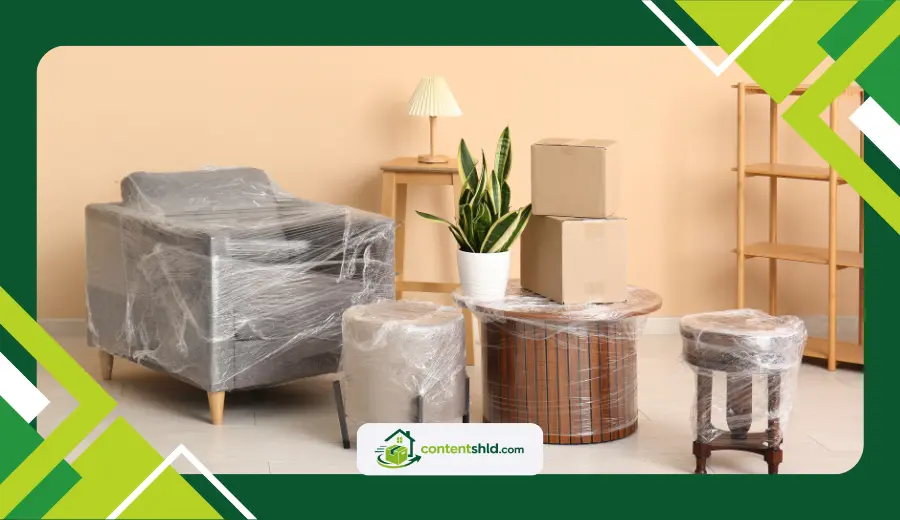
Modern DIY movers now combine flexible plastic stretch film with soft household textiles.
++ The First 10 things to do after moving into a new home
This simple hybrid method replicates commercial moving quilts by locking thick fabrics tightly against vulnerable furniture surfaces without slipping during long transit rides across state lines.
| Wrap Material | Protection Level | Ideal Furniture Type | Cost Factor |
| Heavy Quilts | High Impact | Dining Tables, Dressers | Free (Owned) |
| Bath Towels | Medium Cushion | Table Legs, Chair Arms | Free (Owned) |
| Stretch Wrap | Moisture/Dirt | Upholstered Couches | Very Low |
| Cardboard | Corner Defense | Desks, Glass Tops | Free (Recycled) |
How Can You Wrap Furniture for Moving Without Expensive Pads?
Securing your valuable home furnishings effectively requires gathering soft household items that absorb harsh road impacts.
Read more: Detailed Breakdown: DIY moving vs hiring professional movers cost
Old bed sheets, thick bath towels, winter comforters, and recycled cardboard boxes replace commercial moving blankets quite well during transport.
Using Thick Bedding and Quilts
Old comforters and thick winter blankets provide dense padding comparable to commercial moving quilts.
Wrap the heavy blanket tightly around table tops or dresser frames to absorb heavy shocks during road transport across bumpy highways.
Secure the heavy bedding using standard stretch wrap or packing tape.
++ How to calculate moving truck size Needed for a 3 Bedroom House
However, ensure the tape touches only the blanket material itself, as sticky adhesive residue permanently damages polished wooden surfaces and fine lacquer finishes.

Utilizing Bath Towels for Small Components
Bath towels work exceptionally well for curved chair legs, table pedestals, and delicate decorative woodwork.
Wrap individual towels around sensitive legs and tape them securely to create instant shock-absorbing bumpers around vulnerable carved elements.
Stack multiple towels between stacked dining chairs to prevent deep friction marks during transit.
According to official cargo transport safety guidelines from the Federal Motor Carrier Safety Administration, securing loose loads properly prevents severe cargo shifts and internal vehicle damage.
Converting Cardboard Boxes into Corner Shields
Flattened cardboard shipping boxes form rigid barriers against heavy impact damage along narrow hallways.
Cut cardboard sheets into custom shapes to fit snugly around table corners, mirror edges, and cabinet tops before wrapping whole units.
Layering cardboard over soft towels creates a strong composite shield against rough handling during moves.
Consequently, this combination protects delicate corners better than thin moving pads when maneuvering heavy items through tight, awkward architectural spaces.
What Are Common DIY Furniture Wrapping Mistakes to Avoid?
Applying adhesive tape directly onto finished wood or genuine leather surfaces remains a frequent beginner error.
Tape adhesives quickly bake into delicate finishes under summer heat, leaving sticky, ruinous residue on expensive heirloom furniture.
Another major mistake involves using thin plastic trash bags as protective padding for upholstered items. Trash bags tear easily on sharp corners and trap internal moisture, causing destructive mildew on wooden furniture during long-term storage.
Skipping bottom edge protection also exposes furniture feet to harsh dirt, driveway gravel, and ground moisture.
Always place thick cardboard or folded towels underneath legs before finalizing your outer plastic wrap layers across entire frames.
How Do Household Wraps Compare to Moving Pads?
Repurposed household textiles match commercial padded blankets in cushioning capabilities when layered correctly by homeowners.
However, thin bed sheets require multiple overlapping layers to equal the density of professional quilted moving pads during heavy transport.
Plastic stretch wrap lacks impact cushioning on its own but excels at moisture protection and dust prevention.
Therefore, combining soft fabrics with outer stretch wrap layers creates a custom barrier rivaling expensive rental equipment from truck facilities.
| Protection Method | Impact Defense | Moisture Resistance | Reusability |
| Commercial Moving Pads | Excellent | Moderate | High |
| DIY Blanket + Stretch Wrap | High | Excellent | High |
| Bare Plastic Wrap | Low | Excellent | Single Use |
| Recycled Cardboard | High (Edges) | Low | Recyclable |
Which Pro-Tips Help Wrap Furniture for Moving Safely?
Disassemble removable components like table legs, glass tops, and cabinet shelves whenever possible before wrapping.
Wrapping smaller individual pieces requires fewer bulk materials and makes loading into heavy moving trucks much safer for everyone involved.
Use fitted bed sheets as initial dust covers for large sofas and queen mattresses.
The elastic corners hold the fabric in place securely, allowing you to wrap outer protective layers quickly without struggling against slipping blankets.
Additionally, review helpful consumer guidelines provided by the Federal Trade Commission to protect your household goods and avoid predatory moving scams during major relocations across different states.
How to Prepare Different Furniture Types for Budget Wrapping?
Preparing items correctly ensures your alternative wrapping materials stay secure throughout the entire journey.
Cleaning dust off surfaces beforehand prevents micro-scratches caused by trapped dirt rubbing against wood during transport vibrations.
Preparing Wooden Furniture
Remove all drawers or secure them shut using stretch film rather than sticky tape. Wrap corner areas with folded cardboard pieces before pulling old comforters tightly across the main wooden frame to prevent accidental impacts.
Preparing Upholstered Couches
Vacuum fabric cushions thoroughly to eliminate crumbs and trapped debris before wrapping the couch body.
Cover the entire sofa with fitted bed sheets, then encase the unit completely using plastic stretch wrap for weatherproofing.
Preparing Glass Tops and Mirrors
Cross painters tape in an X-pattern across glass panels to minimize shattering risks during transit.
Sandwich the glass securely between flat cardboard panels before wrapping everything inside thick bath towels for maximum shock absorption.
Protecting your belongings during a relocation does not require expensive commercial equipment or pad rentals.
By repurposing household blankets, towels, cardboard, and stretch wrap, you keep your moving costs remarkably low without risking structural damage.
Plan your packing schedule early, prepare your furniture surfaces properly, and apply these DIY alternatives to ensure every piece arrives safely at your new home.

Frequently Asked Questions
Can I use plastic wrap directly on leather furniture?
Avoid wrapping leather directly in plastic wrap for extended periods during summer moves. Plastic traps condensation, causing moisture damage or mold growth on natural leather surfaces during transport.
Always place a soft cotton bed sheet over leather items before applying outer plastic layers.
How many layers of household blankets should I use?
Apply at least two layers of standard household blankets or comforters over delicate wooden surfaces.
Thinner sheets require three to four layers to equal the shock absorption provided by commercial quilted moving pads during long truck journeys.
Is stretch wrap essential if I already have heavy blankets?
Yes, stretch wrap holds your loose household blankets, towels, and cardboard corner protectors securely in place without damaging furniture finishes.
It also shields your bedding from outdoor dirt, moisture, and road grime during loading under rainy weather.
How do I protect heavy furniture feet without moving pads?
Wrap individual furniture feet using folded bath towels or thick socks, securing them tightly with packing tape around the fabric.
Slide pieces of smooth cardboard underneath the legs when moving heavy items across hardwood or carpeted floors.