Knowing the correct method to pack and move a flat screen TV prevents costly panel fractures, internal solder cracks, and permanent pixel damage during residential relocations.
Modern television displays feature ultra-thin glass substrate layers, delicate organic light-emitting diode matrices, and fragile interior electronic ribbon connections that demand careful handling.
When you prepare to relocate an expensive entertainment system, taking shortcut solutions almost always leads to shattered displays and costly replacements.
Consequently, handling these appliances demands meticulous preparation, proper padding materials, specialized structural enclosures, and strict vertical positioning throughout transit.
Table of Contents
- How to move a piano safely Without Damaging the Keys (Introduction)
- Why Is Protecting the Keyboard Keybed So Critical When You Move a Piano Safely?
- What Specialized Equipment Do You Need to Move a Piano Safely?
- How Do You Prepare and Secure the Piano Keys Before Lifting?
- A Brief Overview of Piano Weight and Internal Physics
- How Do You Move a Piano Safely Step-by-Step?
- Step 1: Clear the Path and Measure All Doorways
- Step 2: Wrap the Main Body and Keybed
- Step 3: Lift onto the Heavy-Duty Dolly
- Step 4: Secure the Piano with Ratchet Straps
- Step 5: Navigate Ramps and Thresholds Gently
- Common Piano Moving Errors and Pro Field Tips
- What Steps Should You Take Immediately After the Move?
- Frequently Asked Question
Why Is Display Architecture So Vulnerable When You Pack and Move a Flat Screen TV?

Modern television screens rely on extremely thin layers of glass, polarization films, and internal backlighting grids that cannot tolerate torsions, bending forces, or localized surface pressure.
Unlike older cathode-ray tube televisions that featured thick protective glass faceplates, contemporary OLED and QLED panels flex under surprisingly light external forces.
Furthermore, internal micro-solder connections can snap when the frame twists unevenly during handling.
Safety testing frameworks confirm that electronics enclosures require specific shock absorption to prevent internal component failures during movement.
Consequently, keeping the display fully upright prevents gravity from sagging the middle glass section.
Moreover, surface abrasion represents a significant hazard when moving televisions without adequate surface protection.
Unprotected screens quickly suffer permanent micro-scratches from dust particles trapped against moving blankets during vehicle transport.
Read more: How to move a piano safely Without Damaging the Keys
What Equipment Do You Need to Pack and Move a Flat Screen TV Safely?
Acquiring the correct packing supplies before starting the project ensures complete physical protection and eliminates unnecessary moving hazards.
- Heavy-Duty Telescope Box: A double-walled corrugated box designed specifically for flat panel displays.
- Anti-Static Foam Sheet: A non-abrasive protective layer that shields delicate display coatings from scratches.
- Foam Corner Protectors: Dense shock-absorbing blocks that protect fragile cabinet corners from drop impacts.
- Heavy-Duty Bubble Wrap: High-density air cushioning sheets to absorb external bumps and road vibration.
- High-Tensile Packing Tape: Premium acrylic adhesive tape to seal box seams securely under heavy loads.
- Microfiber Cloth: A clean cleaning towel to remove dust particles before applying protective coverings.
++How to Move a Refrigerator Without Scratching Floors
How Has Television Packaging Evolved Over Recent Decades?
Understanding the physical evolution of consumer displays highlights why modern packing techniques differ significantly from legacy electronic transport methods.
Earlier CRT televisions utilized heavy wooden cabinets and thick front glass assemblies that tolerated basic blanket wrapping during moves.
However, early plasma panels introduced high fragile glass weight that required rigid upright support to prevent screen cracking.
Today, modern ultra-thin OLED displays feature minimal structural bezel frames and zero protective exterior glass buffers.
Consequently, contemporary packing methods must prioritize rigid external armoring while preventing any direct point-pressure against the sensitive screen surface.
++How to pack and move a flat screen TV
How Do You Prepare and Secure the Screen Before Crate Packing?
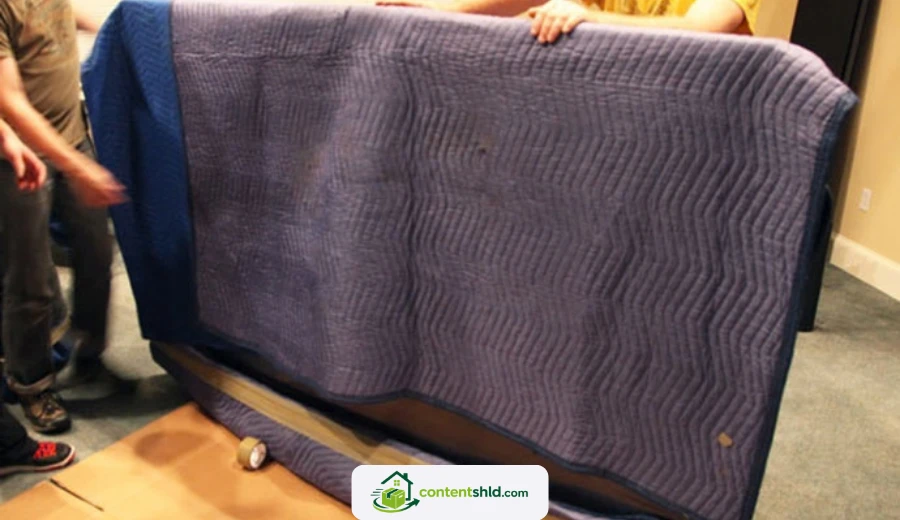
Preparing your television requires systematic cleaning, cable management, and multi-layer protective wrapping prior to inserting the unit into its transport box.
First, unplug all HDMI cables, power cords, and peripheral devices from the rear input panel.
Then, carefully bundle each cable using reusable hook-and-loop ties to prevent loose metal plugs from scratching the outer cabinet.
Next, wipe down the entire screen face using a clean microfiber cloth to remove abrasive grit.
Then, cover the display surface completely with a soft, anti-static foam sheet, securing the edges using blue painter’s tape along the rear housing.
After securing the primary anti-static layer, wrap two full layers of small-cell bubble wrap around the entire television chassis.
Finally, slide four dense foam corner guards over each corner to suspend the frame safely inside the outer box enclosure.
++How to Pack a Flat Screen TV for Shipping? An Ultimate Guide
Which Packaging Solutions Provide the Best Screen Protection?
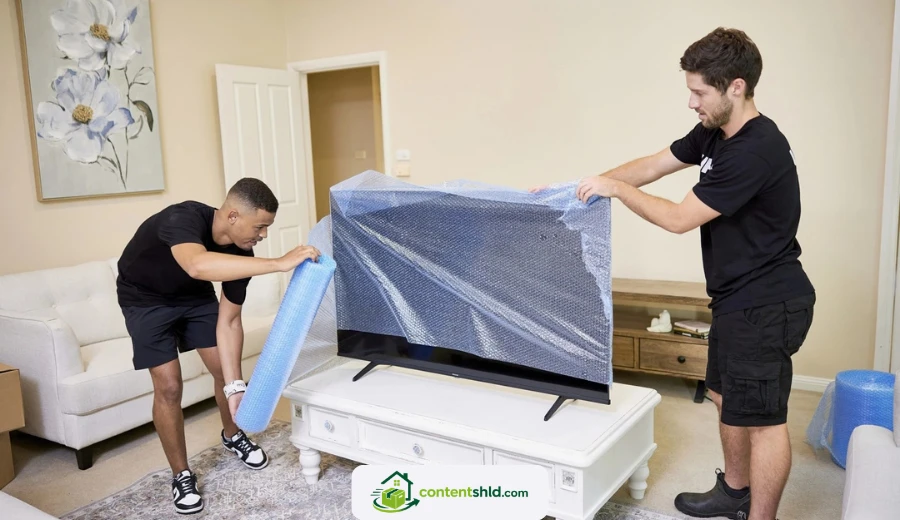
Selecting the proper outer packaging directly impacts how effectively your television survives sudden impacts and cargo shifts during transport.
| Packaging Option | Shock Absorption | Screen Flex Resistance | Reusability | Relative Cost |
|---|---|---|---|---|
| Original Manufacturer Box | Exceptional | High | High | Low (If Retained) |
| Heavy-Duty Telescope Box | High | High | Moderate | Moderate |
| Moving Blanket & Cardboard | Moderate | Low | High | Low |
| Bare Blanket Wrap (Unrecommended) | Low | Very Low | High | Very Low |
Original manufacturer packaging remains the absolute gold standard for transit safety because the internal molded polystyrene foam perfectly matches cabinet contours.
However, high-grade universal telescope boxes provide nearly identical protection levels when configured with proper corner blocks.
Conversely, relying solely on moving blankets offers inadequate rigidity against twisting forces and sharp impacts.
Therefore, investing in a proper corrugated television box remains essential for high-value displays.
How Do You Pack and Move a Flat Screen TV Step-by-Step?
Executing a smooth, damage-free move requires deliberate handling, synchronized lifting, and precise vehicle placement throughout the relocation process.
Step 1: Remove the Base Stand or Wall Mount Brackets
Carefully lay the wrapped screen face-down on a flat, padded blanket surface. Then, unscrew the wall mounting bracket or desk stand, storing all original assembly screws inside a clearly labeled sealable bag.
Step 2: Slide the Inner Box Section Over the Chassis
Stand the wrapped television upright with the assistance of a second person. Then, slide the inner half of the telescoping box over the top of the screen, ensuring the foam corner blocks remain firmly in place.
Step 3: Secure the Outer Telescope Box Base
Slide the outer telescoping box section over the bottom of the television until both halves overlap completely. Then, apply several continuous strips of heavy-duty packing tape along all vertical and horizontal overlap seams.
Step 4: Label the Box for Correct Orientation
Mark “FRAGILE – FLAT SCREEN TV” prominently on all sides using a bold marker. Furthermore, draw clear directional arrows indicating the top of the box to ensure loaders maintain proper vertical orientation.
Step 5: Load and Anchor the Box Inside the Vehicle
Carry the boxed television upright into the moving vehicle, placing it flat against a sturdy sidewall.
Then, secure the box firmly using load straps, positioning it between flat furniture like mattresses to prevent tipping.
What Common Errors Ruin Televisions When You Pack and Move a Flat Screen TV?
Avoiding frequent DIY packing mistakes protects your investment and ensures your television functions perfectly when reconnected in your new home.
- Mistake: Laying the flat panel screen completely flat.
- The Fix: Always keep the display vertical. Laying a screen flat exposes the center glass substrate to cracking from minor road bumps.
- Mistake: Placing sticky adhesive tape directly onto the glass panel.
- The Fix: Only apply tape to outer protective wrapping or rear plastic housings. Standard adhesives leave residue or strip sensitive anti-glare screen coatings.
- Mistake: Grabbing the top edge of the screen frame while lifting.
- The Fix: Lift the television exclusively from the bottom edge of the cabinet while using your secondary hand to stabilize the side frame.
- Pro Tip: Managing environmental conditions during transport.
- The Fix: Extreme temperature changes cause internal moisture condensation. Allow the television to acclimate to room temperature for two hours before applying power.
How Should You Unpack and Reinstall Your Television?
Once you arrive at your destination, carefully move the boxed display into the designated room while maintaining a strict vertical orientation.
Then, slice open the top tape seams without inserting sharp utility knife blades deep into the corrugated cardboard.
Gently lift the television straight up out of the telescoping box with a helper, placing the unit onto a cushioned surface.
Next, peel away the bubble wrap and anti-static sheets, inspecting the cabinet corners for any signs of physical strain.
Reattach the desk stand or wall mount hardware securely before setting the television onto its entertainment console.
Finally, connect your power cables and video inputs, ensuring all cord strain-relief clips remain properly engaged behind the rear housing.
Frequently Asked Questions
Can I pack and move a flat screen TV without the original box?
Yes, you can safely move a television without the original factory packaging by purchasing a heavy-duty telescoping box kit.
These heavy corrugated box systems include adjustable foam corner blocks that suspend your screen securely, preventing damaging contact against the outer cardboard walls.
Why is laying a flat screen TV flat during transport so dangerous?
Laying a flat panel television flat shifts its entire center of gravity, placing weight stress directly onto unsupported glass substrate layers.
When the vehicle encounters road vibrations or potholes, this vertical pressure frequently snaps the delicate internal glass, causing total screen failure.
How long should I wait before turning on my TV after a cold move?
You should allow your television to sit unplugged in its new room for at least two hours after transport.
This resting period allows internal electronic components to reach room temperature, preventing short circuits caused by moisture condensation forming inside the cabinet.
Is bubble wrap safe to put directly against a screen face?
No, wrapping bubble wrap directly against bare display glass can leave permanent ring marks on delicate anti-glare coatings.
You should always apply a smooth layer of anti-static foam sheeting or a soft microfiber blanket over the screen before wrapping it in bubble cushioning.