
How to Move a Refrigerator Without Scratching Floors
 Nara Sampaio
Learning how to move a refrigerator without scratching floors protects expensive hardwood, luxury vinyl plank, delicate ceramic tile, and your security deposit during stressful residential moving days.
During my twelve years directing residential relocation crews, I have watched countless homeowners ruin pristine kitchen flooring simply because they dragged heavy appliances directly across finished surfaces without protection.
Modern multi-door refrigerators weigh between two hundred and four hundred pounds, concentrating immense point-load pressure onto tiny metal leveling legs and rigid plastic transport wheels.
By executing proper preparation protocols, deploying specialized moving glides, and creating solid rolling pathways, you can transport bulky cooling appliances effortlessly without leaving a single surface scratch.
Why Does Moving Heavy Appliances Cause Severe Floor Gouges?
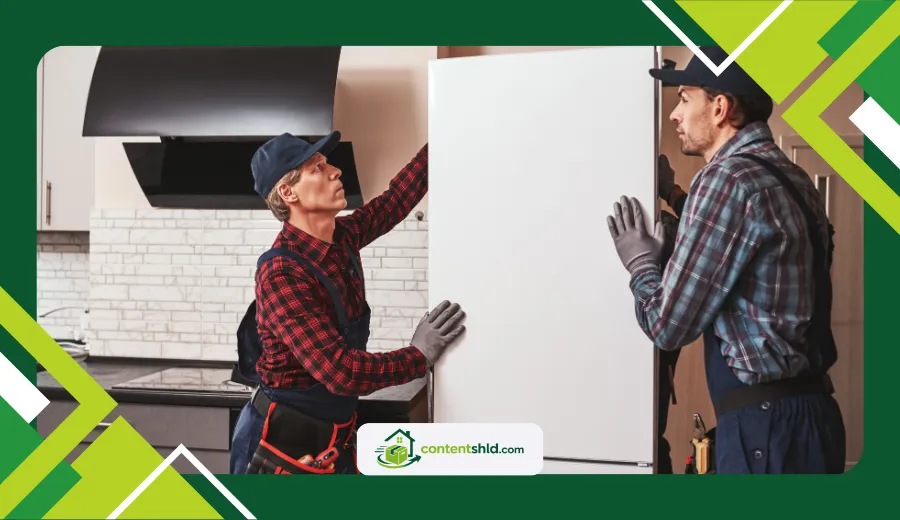
Most modern household refrigerators feature small, narrow wheels designed strictly for straight forward-and-backward positioning during factory kitchen installation rather than long-distance domestic relocation across finished residential living areas.
When you pivot or slide a three-hundred-pound appliance sideways, these fixed wheels drag perpendicular to their rotation axis, scraping sharp mineral debris violently against delicate floor finishes.
Furthermore, threaded steel leveling feet located beneath front cabinet corners often loosen over years of operation, protruding downward and acting like metal chisels across soft hardwood boards.
Even microscopic grains of dirt or quartz sand trapped beneath appliance rollers act as coarse abrasive sandpaper, cutting permanent, deep white trenches into polyurethane topcoats.
Understanding these intense, concentrated mechanical forces clearly highlights why you must create a continuous protective barrier between the appliance weight and your vulnerable kitchen flooring before moving.
See Also: What to Put in Your First Night Moving Essentials Box
What Protective Materials Shield Different Flooring Types Best?

Different residential flooring materials exhibit varying compressive strengths and scratch susceptibilities, requiring customized protective barriers to absorb heavy rolling loads and prevent localized surface cracking or finish gouging.
The comprehensive engineering breakdown below clearly outlines the most effective protective gear, thickness specifications, and load capacities for every common residential floor surface in modern luxury homes.
| Flooring Material Type | Vulnerability & Primary Risk | Recommended Protective Gear | Application Protocol |
| Solid Hardwood / Engineered Wood | Deep gouges, grain crushing & finish scraping | 1/8-inch Masonite / Hardboard Sheets | Lay smooth side up; tape seams with painter's tape |
| Luxury Vinyl Plank (LVP / LVT) | Core indentation, seam tearing & scuffing | Heavy-Duty Polypropylene Glides & Ram Board | Slide glides under front feet; walk slowly |
| Ceramic & Porcelain Tile | Point-load cracking & chipped grout lines | Neoprene Floor Runners / Plywood Planks | Distribute weight across grout joints with plywood |
| Natural Stone (Marble / Slate) | Surface scratching, etching & dulling | Thick Moving Blankets topped with Hardboard | Never tape directly to stone; double-pad path |
| Sheet Linoleum & Sheet Vinyl | Tearing, stretching & permanent bubbling | Appliance Air Sled / High-Density Sliders | Lift appliance onto glides; never tilt on edges |
As outlined in the protection matrix, 1/8-inch tempered hardboard sheets provide the gold standard for hardwood protection by distributing concentrated wheel loads across wide surface areas.
Unlike thin cardboard or plastic film that tears under heavy wheels, rigid hardboard creates an immovable wooden runway that absorbs abrasive friction without transferring pressure downward.
According to professional residential relocation guidelines published by Moving.com, creating continuous hardboard pathways reliably prevents costly flooring repairs and structural wheel indentations during major residential moves.
Securing these interlocking protective panels with low-tack blue painter's tape ensures the boards do not shift, buckle, or separate while transporting heavy loads through narrow hallways.
Pro Mover Golden Rule: Never drag or walk a refrigerator directly on its factory caster wheels; always bridge the floor with rigid hardboard sheets or heavy-duty polypropylene sliders.
How to Prepare Before You Move a Refrigerator Without Scratching Floors?
Thorough appliance preparation drastically reduces gross unit weight, eliminates liquid spill hazards, and prevents interior glass shelves from shifting and throwing off balance during transit.
Begin by unplugging the unit at least twenty-four hours in advance, emptying all perishable food items, and allowing the internal evaporator coils to defrost thoroughly into towels.
Disconnect the copper or braided stainless steel water line from the rear valve, draining residual water from internal reservoirs into a bucket to prevent slippery floor puddles.
Remove all adjustable tempered glass shelving, crisper drawers, and door storage bins, packing them securely in bubble wrap inside sturdy double-walled corrugated cardboard moving boxes for transport.
Finally, use heavy-duty moving straps or professional stretch wrap to secure refrigerator and freezer doors shut, preventing sudden door swings from gouging adjacent walls and doorframes.
Which Tools Help Move a Refrigerator Without Scratching Floors?
Professional movers rely on specialized mechanical equipment engineered specifically to lift, distribute, and glide immense residential appliances across sensitive domestic floor coverings with minimal physical strain.
Heavy-duty appliance slides feature slick high-density polyethylene bases bonded to thick EVA foam tops that grip the appliance chassis while gliding effortlessly over hard floor surfaces.
Air sled systems represent the pinnacle of professional appliance moving technology, utilizing high-pressure motorized blower fans to hover four-hundred-pound refrigerators on a frictionless cushion of air.
For standard residential moving budgets, an appliance hand truck equipped with non-marking pneumatic rubber wheels and integrated stair-climber belts provides exceptional control and floor safety.
Always verify that your hand truck features soft rubber tires rather than hard plastic wheels, as rigid plastic rollers crush delicate wood fibers under heavy concentrated loads.
Fasten the appliance securely to the dolly frame using a heavy-duty ratchet strap, ensuring the padded steel uprights support the refrigerator without shifting during transport maneuvers.
How to Walk the Refrigerator Out of Tight Alcoves?
Extracting a tightly recessed refrigerator from surrounding kitchen cabinetry requires methodical, gentle rocking motions rather than brute forward pulling that scrapes side panels and baseboards.
Grip the upper cabinet frame firmly and tilt the unit backward slightly, allowing your moving partner to slide two slick furniture glides beneath the front metal leveling legs.
Lower the front legs onto the glides, tilt the unit forward gently, and place matching sliders beneath both rear wheels before attempting any lateral movement.
With all four corners elevated onto smooth sliders, guide the refrigerator straight forward out of its alcove onto your pre-laid masonite runway with minimal physical effort.
Where Did Modern Floor Protection Systems Originate?
During the mid-twentieth century, residential moving crews utilized heavy canvas tarps, scrap cardboard, and raw muscle to drag heavy porcelain-coated appliances across linoleum and pine plank floors.
These improvised barriers frequently tore under heavy point loads, resulting in widespread insurance damage claims and costly floor refinishing bills for moving companies and homeowners alike.
Over subsequent decades, commercial logistics engineers developed high-density polymers, non-marking neoprene runners, and pneumatic hovering systems tailored specifically to protect modern luxury architectural flooring investments.
Home improvement resources archived on Family Handyman confirm that using engineered appliance sliders prevents surface gouging and reduces physical moving strain by over seventy percent.
Which Common Rookie Mistakes Cause Catastrophic Floor Damage?
Attempting to slide a refrigerator across dry floors without thoroughly sweeping the path represents the single most destructive mistake committed by unassisted homeowners during moves.
Even tiny grit particles caught beneath slider pads act like diamond cutting tools, grinding deep circular swirl marks into polyurethane hardwood finishes as the unit moves.
Another frequent error involves using standard corrugated cardboard sheets, which compress and shred under four-hundred-pound point loads, allowing metal legs to gouge through to the subfloor.
Additionally, tilting a heavy refrigerator onto its two rear wheels and dragging it backward concentrates the entire appliance weight onto two tiny contact points, indenting wood.
Finally, rushing the moving process without clearing doorways and kitchen island pathways leads to sudden impacts that chip expensive countertop edges and fracture ceramic floor tiles.
What Expert Tactics Help Move a Refrigerator Without Scratching Floors?
Always sweep and vacuum your entire exit route thoroughly with a microfiber mop before laying down any protective hardboard sheets or neoprene runway pads across your floors.
Screw front leveling legs upward into the chassis completely before moving, maximizing clearance between metal foot bolts and the floor while tilting the appliance onto transport dollies.
When rolling an appliance dolly across threshold transitions, place a beveled wooden wedge or rubber ramp over metal strips to prevent sudden jolts and wheel scuffs.
Maintain two spotters beside the dolly whenever navigating tight kitchen corners, ensuring the appliance weight remains balanced and centered over the axle throughout the entire operation.
Keep extra moving blankets draped around door jambs and kitchen cabinetry corners, securing them with spring clamps to prevent accidental gouges during tight turning maneuvers.
Frequently Asked Questions: How to Move a Refrigerator Without Scratching Floors
Can one person move a refrigerator without scratching floors safely?
Solo moving is dangerous and risks severe floor gouging; always recruit at least one partner or utilize specialized air-sled hover equipment to ensure controlled, scratch-free transport.
Will furniture sliders work on luxury vinyl plank flooring?
Yes, heavy-duty felt-bottomed or smooth polypropylene sliders distribute concentrated appliance weight evenly, preventing vinyl plank seams from separating, tearing, or denting under heavy rolling loads.
How long should a refrigerator sit before plugging it in after moving?
Allow the refrigerator to stand upright for two to four hours before plugging it in, giving compressor cooling oil sufficient time to settle back into the motor reservoir.
What is the safest method to move a refrigerator without scratching floors?
The safest method combines appliance glides to exit the cabinetry alcove, followed by loading onto a rubber-wheeled hand truck rolling over rigid 1/8-inch hardboard sheets.
Which Practical Steps Should You Take on Moving Day?
Protecting valuable flooring investments during heavy appliance relocations requires disciplined preparation, specialized protective gear, and patient teamwork rather than rushed, brute physical force across bare rooms.
Inspect your full transport pathway today, assemble essential hardboard runways and appliance sliders, and measure all doorways carefully to guarantee a smooth, completely damage-free moving experience.
Take decisive action by preparing your kitchen appliances in advance, executing proven professional moving techniques, and safeguarding your home's beautiful floors for years of pristine durability.