Organizing closets in a new house can feel completely overwhelming when you are standing amidst dozens of taped cardboard boxes.
I have spent years helping homeowners streamline their move-in logistics to eliminate immediate stress.
Moving into a fresh space presents a rare opportunity to reset your daily routines completely. However, without a clear blueprint, you will likely end up shoving mixed items into your storage units haphazardly.
Let us transform your master and guest closets into highly functional spaces during your very first week. You will quickly build momentum by taking systematic steps every single day after unpacking your essential boxes.
Why Is Organizing Closets in a New House Your Top Move-In Priority?
Unpacking your clothes first restores a vital sense of normalcy after days of chaotic moving logistics. You start every morning inside your bedroom, so a structured wardrobe immediately reduces your daily baseline stress levels.
According to research published by the National Association of Professional Organizers, systematic home organization significantly lowers daily anxiety and saves considerable morning routine time. Establishing order early prevents long-term clutter habits.
Furthermore, leaving garments boxed up for weeks causes persistent fabric creasing and potential moisture damage.
You protect your valuable apparel investments by hanging and storing items properly right from the very beginning.
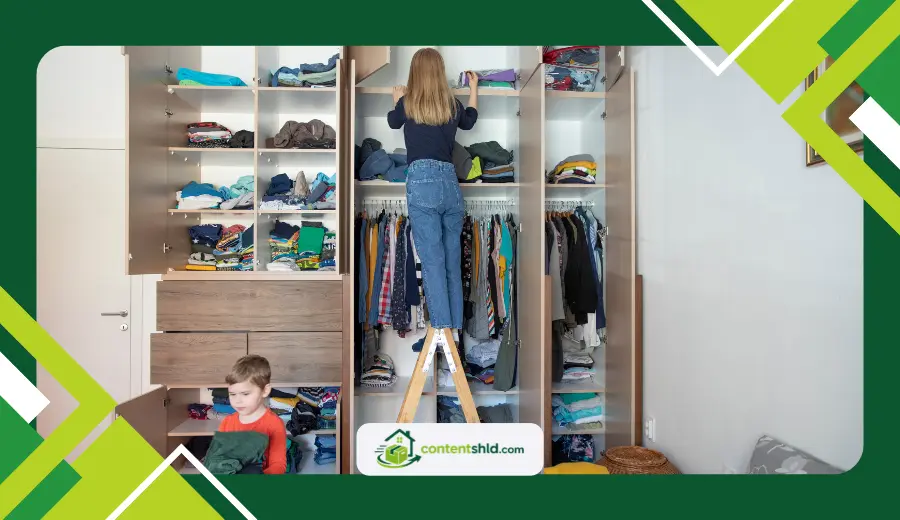
When Should You Start Cleaning and Preparing Closet Spaces?
You should inspect and clean every single closet shelf before hanging your first piece of clothing. Dust, leftover moving debris, and old shelf liners must be wiped away thoroughly with mild cleaning solutions.
Take precise measurements of your hanging rods, drawer depths, and vertical shelf spans before buying containers.
Having accurate dimensions prevents unnecessary trips to organizational retail stores during an already exhausting moving week.
++ Guide on how to childproof a new home after moving
I always advise clients to line their new wooden shelves with breathable protective covers immediately. This simple step prevents wood stains from damaging delicate fabrics while making future surface cleaning fast and effortless.
| Preparation Step | Required Tools | Primary Goal |
| Deep Surface Cleaning | Microfiber cloths, eco-cleaner | Remove dust, residue, and moving debris |
| Precise Spatial Measuring | Digital tape measure, notepad | Avoid purchasing incorrect container sizes |
| Protective Lining | Breathable shelf liners | Shield wooden surfaces and delicate garments |
How to Execute the First-Week Wardrobe Unpacking Strategy?
Day 1 to 2: Prioritizing Immediate Essentials
Start your setup by hanging your work attire, daily outfits, and essential shoes for the immediate week. Labeling your moving boxes clearly allows you to locate these fundamental wardrobe pieces without searching aimlessly.
Keep your daily essentials positioned at eye level within the central zone of your main closet. You will save valuable energy each morning by keeping frequently used garments completely accessible from day one.
Read more: Essential tool kit to unpack after moving
Avoid the temptation to unpack decorative accessories or seasonal items during this active initial phase. Focus exclusively on setting up functional clothing systems that support your immediate daily routines effectively.

Day 3 to 4: Sorting by Garment Type and Frequency
Begin grouping your remaining garments by distinct categories such as long dresses, trousers, jackets, and shirts.
Grouping similar clothing types together allows you to assess your total storage capacity with complete clarity.
Sub-categorize your clothing items by color gradients ranging from light shades to darker tones naturally. This visual arrangement makes selecting daily outfits remarkably fast while giving your new space a polished look.
Arrange your storage vertically by placing rare items on top shelves, daily items at eye level, folded denim on middle shelves, and shoes on the floor. Stacking items logically ensures everything remains visible and easy to reach.
Place your most frequently worn items within primary reaching zones for maximum daily convenience throughout the year.
++ How to dispose of cardboard moving boxes Responsibly
Reserve higher shelves exclusively for specialized garments, rare evening wear, or bulky travel luggage.
Day 5 to 7: Mastering Seasonal Storage and Accessories
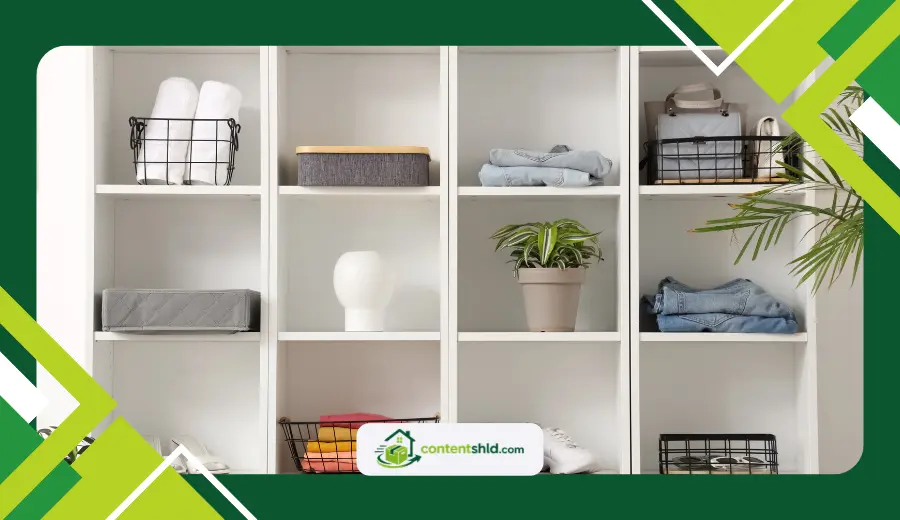
Store your out-of-season garments inside breathable fabric bins placed neatly on upper closet shelves.
Utilizing high-quality fabric containers protects delicate fabrics against dust accumulation while maintaining a streamlined visual aesthetic.
Organize your everyday accessories like belts, scarves, and jewelry using clear drawer dividers or modular trays.
Dedicated accessory compartments prevent small items from cluttering your flat surfaces and disappearing under larger garments.
Finally, place custom shoe racks along the lower floor area to keep your footwear neatly organized. Elevating your footwear keeps the closet floor completely clear, making your routine floor cleaning simple and fast.
Historical Evolution of Residential Closet Design
Historic home construction rarely prioritized dedicated wardrobe storage, often relying on standalone armoires and wooden chests.
Most homes built before the mid-twentieth century contained surprisingly shallow wall cutouts designed for minimal wardrobes.
Modern architectural trends shifted dramatically as consumer wardrobes expanded over recent decades, giving rise to customized walk-in spaces.
Today, structural design emphasizes modular flexibility, integrated LED lighting systems, and specialized ergonomic storage hardware.
| Era | Dominant Design Style | Primary Storage Hardware |
| Pre-1950s | Shallow wall alcoves, freestanding armoires | Single wooden peg rods |
| 1980s–1990s | Standard reach-in wall closets | Fixed wire shelving racks |
| Modern Era | Modular ergonomic walk-ins | Adjustable tracking systems & built-ins |
Understanding this evolutionary progression highlights why modern homes require adaptable, modular organization systems.
You can explore detailed structural historical standards through the U.S. General Services Administration architectural guidelines repository.
What Are Common Unpacking Errors and Practical Solutions?
Error 1: Unpacking Without Sorting First
Many homeowners hang clothing items directly from moving boxes without purging unwanted items first. This habit quickly fills your new space with worn garments you no longer wear or need.
Pro-Tip: Perform a swift sorting process right as you empty each moving box. Place unwanted items into a dedicated donation bin before hanging a single hanger inside your new closet.
Error 2: Mixing Garment Categories Haphazardly
Placing work wear alongside casual garments creates visual chaos and slows down your morning preparations.
Random placement makes it difficult to track your complete inventory when planning your weekly outfits.
Pro-Tip: Establish strict visual zones using color-coded hangers or clear rod dividers for each category. Grouping garments logically keeps your system organized even during chaotic, busy work weeks.
Error 3: Ignoring Vertical Storage Potential
Relying solely on horizontal hanging space wastes immense amounts of vertical area above and below your clothing.
High ceilings offer prime real estate for infrequently used items when configured with proper shelving.
Pro-Tip: Install stackable drop-front boxes or adjustable vertical shelving units to maximize unused height.
Utilizing full vertical wall space instantly doubles your usable storage capacity without requiring extra floor space.
How Can You Maintain Long-Term Order in Your New Closets?
Maintaining an organized wardrobe requires consistent daily habits paired with periodic seasonal evaluations throughout the year.
Adopt a strict one-in, one-out policy whenever you purchase new clothing items moving forward.
Assign every single garment a permanent home base so returning laundered clothes remains effortless for your family. Clear physical boundaries prevent clutter from expanding into open areas over time.
Schedule a quick quarterly review to evaluate your wardrobe systems and remove underutilized clothing items.
You can consult additional organizational strategies on CDC Healthy Housing Standards to keep your overall living environment stress-free and tidy for many years to come.
Frequently Asked Questions
Which items should I unpack first when organizing closets in a new house?
Unpack your daily work attire, essential footwear, and current seasonal outfits first. Securing these basic items guarantees you can get dressed easily without searching through unorganized moving boxes.
How do I maximize storage in a small reach-in wardrobe?
Utilize slim velvet hangers to save lateral space, and install vertical hanging organizers for folded garments.
Additionally, utilize drop-front shoe boxes on upper shelves to optimize all available vertical height efficiently.
Should I purchase storage bins before or after moving into the new home?
Wait until you have cleaned, measured, and categorized your actual wardrobe inside the new space. Purchasing containers after moving prevents buying ill-fitting organizers that waste your valuable budget and shelf space.