Using bubble wrap for moving helps protect fragile possessions during a major household move. However, buying endless plastic rolls creates excessive waste and inflates your moving budget significantly.
In my years on the road, I have lost count of how many times I saw families overspend on single-use rolls they would simply throw away three days later.
It always felt like a waste of both hard-earned money and good sense when your own linen closet is sitting right there, packed with softer, tougher padding.
Over my fifteen years running professional residential relocations, I have seen families waste hundreds of dollars on specialized packing supplies.
Fortunately, ordinary household items offer superior cushioning while saving critical budget space.
This comprehensive guide reveals practical household substitutes that safeguard your delicate valuables without requiring expensive retail packing materials.
Why Should You Replace Traditional Bubble Wrap for Moving Supplies?
Many homeowners default to plastic padding simply because retail supply stores market it heavily during peak moving seasons.
While plastic cushions work effectively, alternative materials already sit inside your home without extra expense.
To be honest, there is something deeply frustrating about watching people buy stacks of synthetic bubbles when their own closets are bursting with thick, unused blankets.
Every year, millions of pounds of single-use plastic packing material end up directly in municipal landfills across North America.
Choosing reusable household textiles significantly reduces your environmental footprint while maintaining excellent protection standards.
Additionally, standard plastic wrapping adds surprising volume to your moving boxes, forcing you to buy more containers. Soft linens compress efficiently, maximizing box space and reducing overall transport costs.
Total Packing Costs: Specialized Plastics vs. Household Textiles
Specialized Plastic Wraps: High Cost, High Waste
Household Linens & Clothes: Zero Extra Cost, Reusable
According to environmental waste studies, reducing packaging waste remains one of the most effective ways consumers can minimize personal environmental impact.
Repurposing existing fabrics directly supports national waste reduction goals.
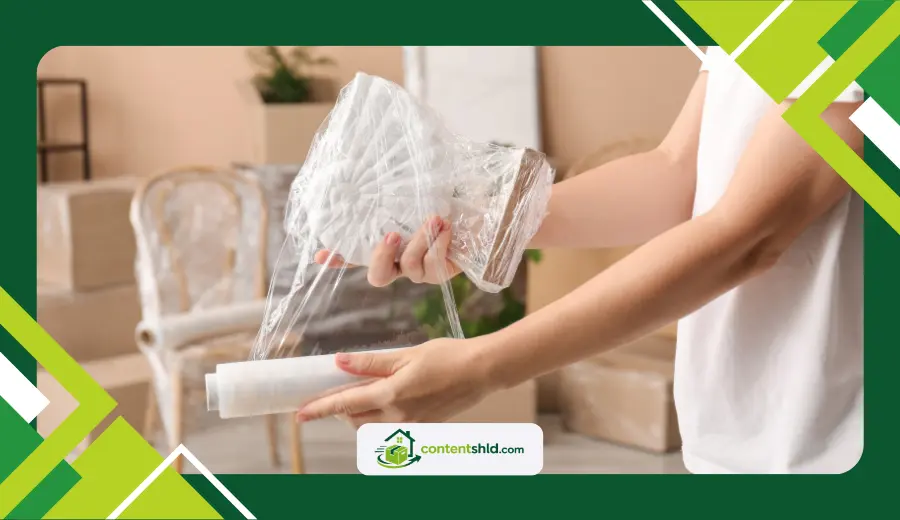
Which Everyday Linens Work Best as Protective Packing Materials?
Bath towels represent your absolute strongest defense against impact damage during rough transit over long distances.
Their dense cotton fibers absorb heavy shocks, making them perfect for lining large moving boxes.
You can wrap heavy ceramic kitchenware, large decorative vases, and thick glass tabletops inside plush bath sheets safely.
Always secure towel wraps with strong painter’s tape to prevent slipping inside transport containers.
Bed sheets offer exceptional versatility for wrapping delicate framed artwork, large wall mirrors, and smooth wooden furniture surfaces.
++ How to move on a tight budget Without Sacrificing Safety
They prevent surface scratches without leaving adhesive residue or trapping unwanted moisture against finishings.
- Bath Towels: Ideal for heavy ceramics, cast iron, and bottom-of-box shock absorption.
- Microfiber Cloths: Perfect for polished glass, TV screens, and delicate polished metals.
- Flannel Bedding: Excellent soft protection for antique wood surfaces and varnished finishes.
- Kitchen Dish Towels: Sized right for wine glasses, small mugs, and fragile ornaments.
Microfiber cleaning cloths work wonders when packing sensitive electronics, camera lenses, and delicate glass shade fixtures. Their ultra-soft weave shields delicate surfaces from abrasive dust particles during transit.
How Can You Use Clothes to Cushion Fragile Household Items?
Socks provide custom-fitted sleeves for fragile glassware, stemmed wine goblets, and small ceramic kitchen accessories instantly.
Slide individual glasses into clean cotton socks before arranging them tightly inside sturdy boxes.
Thick winter sweaters and heavy fleece hoodies double as incredible shock-absorbing dividers between stacked dinner plates.
Placing soft fabric layers between fragile china eliminates micro-fractures caused by continuous road vibration.
Denim jeans offer sturdy padding when lining the interior walls of cardboard boxes before packing delicate items.
Their rugged construction keeps heavy objects from shifting unexpectedly when movers hoist crates upstairs.
Read more: Cheap Ways to wrap furniture for moving Without Buying Pads
You simultaneously pack your wardrobe while securing fragile kitchenware, effectively cutting total box count in half. This dual-purpose technique saves both money and valuable space inside your moving truck.
What Paper Products Safely Substitute for Plastic Packing Material?
Unprinted newsprint paper provides pristine wrapping that prevents ink stains on delicate porcelain or white ceramic sets.
You can purchase cheap unprinted newsprint bundles or collect unused clean butcher paper around your kitchen.
Ordinary newspaper serves as excellent secondary void fill when crumpled tightly into hollow interior spaces of containers.
++ The Complete Guide on how to pack shoes for moving Without Damaging Them
However, never wrap bare porcelain directly in printed newsprint, as wet ink transfers permanently onto surfaces.
| Material Type | Best Application | Stain Risk | Reuse Value |
| Unprinted Paper | Fine China, Glassware | Zero Risk | Recyclable |
| Standard Newsprint | Void Fill, Box Walls | Moderate | Recyclable |
| Shredded Paper | Base Layer, Small Items | Low Risk | Compostable |
| Corrugated Board | Plate Dividers, Mirrors | Zero Risk | High Reuse |
Shredded office paper creates a thick, springy cushion at the bottom of boxes containing heavy glass items. Fill small gift boxes or fragile stemware hollows with clean shredded paper for localized structural support.
Thick corrugated cardboard sheets from old shipping boxes make durable dividers between flat ceramic dishes or framed photographs. Cut sheets to custom sizes and slide them between nested items for reliable protection.

How Shipping Protection Evolved Over Time
Before modern polyethylene plastics emerged in the late twentieth century, shippers relied entirely on natural fiber solutions.
Sawdust, straw, shredded cotton, and wood excelsior protected global freight across ocean voyages safely.
Historical freight handlers understood that dense natural fibers dispersed kinetic energy far better than thin synthetic barriers.
Modern professional movers still rely heavily on heavy cotton moving blankets for high-value antiques.
Evolution of Freight Protection Materials:
1900s–1950s: Straw, Wood Excelsior, Shredded Cotton Fabrics
1960s–1990s: Introduction of Expanded Polystyrene & Synthetic Bubble Wraps
2020s–Present: Sustainable Shift Back to Recyclable & Reusable Textiles
Returning to fabric-based packing methods honors time-tested logistics wisdom while eliminating modern plastic waste completely. Reusable textiles remain the most dependable cushioning medium available to budget-conscious households today.
How Do Alternatives Compare to Bubble Wrap for Moving?
Choosing alternative packing materials requires understanding how different fabrics handle physical impact during transport over bumps.
A clear comparative analysis helps you assign the correct household material to specific items.
| Material Substitute | Impact Protection Level | Ideal Items to Wrap | Overall Cost Savings |
| Plush Bath Towels | Extremely High | Heavy Ceramics, Large Vases | High ($30–$50 saved) |
| Cotton Bed Sheets | Moderate to High | Mirrors, Framed Art, Furniture | Medium ($20–$30 saved) |
| Thick Winter Socks | High (for small items) | Stemmed Glassware, Small Mugs | Low to Medium ($15 saved) |
| Crumpled Newsprint | Moderate | Void Fill, Interior Cavities | High ($25–$40 saved) |
| Sweaters & Hoodies | High | Plate Stacks, Serving Bowls | Medium ($20 saved) |
Evaluating these options shows that household fabrics match synthetic wraps in physical protection while saving considerable money.
Combining multiple textiles ensures comprehensive safety for your entire household setup. You can review government recycling guidelines at the EPA Website to learn more about reducing waste during your move.
What Are Common Packing Mistakes and Professional Pro-Tips?
Inexperienced movers often pack delicate items loosely, assuming soft fabrics guarantee safety regardless of box density. Always pack items tightly to eliminate empty spaces where objects might shift during transit.
Proper Dish Packing Stack (Bottom to Top):
Top: Crumpled Paper Void Fill
Fourth: Salad Bowls Sleeved in Thick Socks
Third: Cardboard Divider Sheet
Second: Heavy Dinner Plates Wrapped in Sweatshirts
Bottom: Thick Towel Base Layer
Another frequent error involves over-wrapping small items in huge towels, creating bulky packages that waste box volume. Match the scale of your protective wrapping material to the size of the object.
Pro-Tip 1: Always label boxes containing alternative wraps as “FRAGILE – LINENS INSIDE” to alert your helper crew.
Pro-Tip 2: Use rubber bands instead of sticky tape when securing towels around finished wood to prevent surface damage.
Pro-Tip 3: Place heavy items at the bottom and lighter items on top, regardless of wrapping materials used.
Pro-Tip 4: Line every box bottom with a folded bath towel to absorb shocks when boxes hit floors.
Avoid using scented laundry sheets inside wrapped dishware boxes, as synthetic perfumes transfer onto eating surfaces easily.
Stick to clean, dry, unscented fabrics when wrapping kitchen items destined for immediate unpacking.
Proper weight distribution inside moving containers prevents structural box failure during transit. Keeping box weights under fifty pounds ensures safe manual handling.
Which Packing Method Should You Choose for Your Move?
Selecting your packing strategy depends heavily on your available preparation time, overall budget, and existing household inventory.
Taking inventory of your linens early allows you to plan your packing material allocation smoothly.
If you possess abundant bath towels and bed linens, prioritize those for your highest-value glassware and ceramics. Use wardrobe items like t-shirts and socks to fill secondary voids inside small kitchen containers efficiently.
Your moving day will progress faster knowing you saved money while keeping discarded plastics out of regional landfills.
Practical household alternatives keep your items secure while keeping your relocation strictly within budget.

Is Replacing Bubble Wrap for Moving Really Worth the Effort?
When you step back and look at the entire process, swapping out rolls of plastic padding for your own clothes and linens feels like an obvious win.
I have guided dozens of homeowners through this exact transition, and not once did someone regret leaving behind those costly plastic rolls.
The real trick lies in changing how you view your household items before loading up the truck.
Instead of treating your sweaters, towels, and sheets as extra cargo that needs its own box, you turn them into working assets that protect your delicate possessions.
Naturally, it takes a little extra patience to wrap plates inside hoodies or fit goblets into thick socks. But that extra effort translates directly into real financial savings and fewer trips to the dumpster after you unpack.
If you pack methodically, keeping box weights manageable and filling empty voids completely, your fragile dishware will arrive safely at your new doorstep.
You will unlock extra room in your budget for things that actually matter when settling into a new home.
You can explore further relocation logistics standards through the American Moving and Storage Association for more tips on organizing a safe move.
Frequently Asked Questions
Are household clothes as safe as traditional plastic wrap for fragile items?
Yes, thick cotton fabrics, socks, and bath towels absorb physical impact exceptionally well when packed tightly inside boxes.
Ensure wrapped items cannot shift during transport by filling all empty interior voids completely with paper.
Will newsprint ink damage delicate porcelain or china sets during transit?
Printed newspaper can leave dark ink smudges on light ceramic or porcelain surfaces exposed to moisture or friction.
Always use unprinted newsprint paper or soft cotton dish towels as the primary layer touching delicate dishware.
How do I prevent towels from unwrapping inside moving boxes without ruining them?
Secure folded towels using painters tape attached only to the fabric itself, or use thick rubber bands tightly.
Avoid applying high-tack duct tape or packing tape directly onto delicate linens or finished wooden surfaces.
Can I use socks to pack crystal stemware safely?
Clean, thick socks provide excellent tailored protection for stemmed glasses and fragile crystal goblets during residential relocation.
Slide each glass securely inside a sock, then store stemware vertically inside sturdy cardboard compartments.
++ Best Bubble Wrap Alternatives: Eco-Friendly Moving in 2026