Learning how to pack shoes for moving efficiently protects your valuable footwear from crushed heels, leather scuffs, and distorted silhouettes.
Over my fifteen years running professional residential moving operations, I have witnessed thousands of dollars in high-end footwear ruined simply because owners treated their footwear collection as a secondary packing thought.
It is an annoying oversight that happens far too often when stress levels run high. Frankly, seeing custom leather boots thrown into trash bags always makes me wince.
Proper organization transforms this chaotic chore into a streamlined process that preserves every single pair in your personal wardrobe.
When you prepare systematically, you save significant unpacking time and ensure your favorite sneakers, dress pumps, and work boots arrive in flawless, wearable condition at your new destination.
Why Do Shoes Get Damaged During a Relocation?
Moving creates unique physical stressors for footwear, including weight compression, sudden climate fluctuations, and ambient transit friction.
Standard cardboard boxes flex under strain, meaning unsecured shoes slide around and crush each other unless you implement structural internal support strategies before sealing your containers.
In my early days running a crew, I mistakenly assumed sturdy plastic bins solved all shoe transport problems.
However, sealing leather footwear inside airtight plastic without proper ventilation caused trapped moisture to spoil fine finishes, teaching me the critical balance between physical protection and airflow dynamics.
How Has Footwear Packaging Evolved Over Time?
Understanding historical footwear preservation techniques reveals why modern specialized packing material works so exceptionally well today.
Early transcontinental travelers relied on heavy wooden trunks lined with cedar paper to shield delicate leather boots from dust, humidity changes, and impact damage during long journeys.
Contemporary logistics principles build directly upon these classic preservation fundamentals using lightweight, affordable, and accessible modern packing products.
Today, we utilize acid-free tissue paper and rigid cellular dividers rather than heavy timber, achieving vastly superior shock absorption while keeping total cargo weight manageable for residential moves.
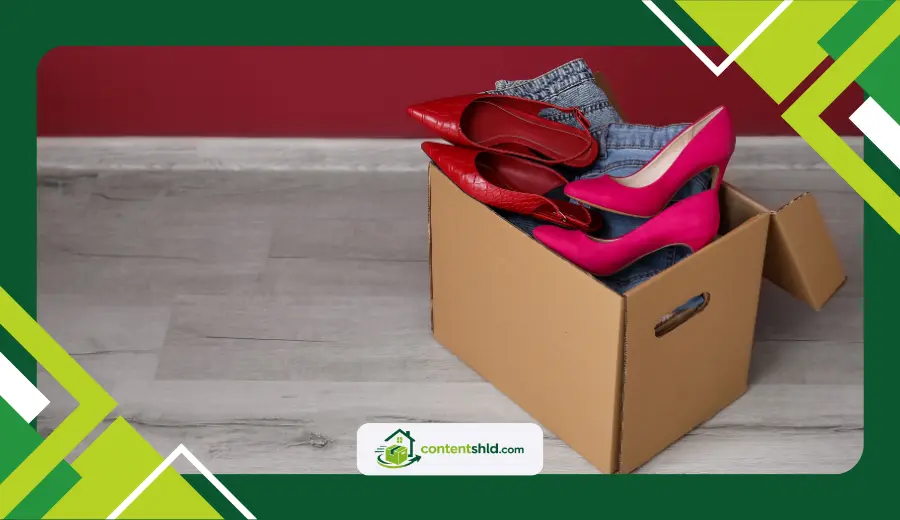
What Prep Work Is Necessary Before Packing Footwear?
Before wrapping any footwear, you must clean every individual pair to remove dry dirt, grit, and moisture.
Packing dirty soles against clean uppers causes permanent staining, while trapped surface moisture breeds mildew rapidly inside dark moving boxes during hot summer transits.
Allow your shoes to dry completely at room temperature for twenty-four hours after cleaning them thoroughly.
++ How to pack kitchen dishes for moving Safely and Efficiently
Never apply direct heat to speed up this drying process, as excessive thermal exposure warps leather uppers, degrades synthetic adhesives, and permanently compromises soft rubber outer soles.
What Common Packing Errors Should You Avoid?
Skipping the initial sorting phase ranks among the most expensive mistakes homeowners make during relocations.
Transporting worn-out slippers or damaged athletic sneakers wastes valuable box space and inflates overall moving costs unnecessarily, so declutter ruthlessly before purchasing any packing supplies.
Another frequent error involves stuffing footwear with printed newspaper rather than acid-free tissue paper.
Ink transfers easily onto delicate fabric linings and light leather uppers, leaving permanent stains that require professional restoration work or render expensive pairs completely unwearable.
Never throw unboxed shoes loosely into large garbage bags expecting them to survive transit unharmed.
Read more: How to pack clothes for moving to Save Space and Prevent Wrinkles
Heavy boxes placed overhead will inevitably crush unsupported footwear, permanently creasing leather insteps, snapping delicate high heels, and destroying the structural integrity of your favorite formal dress shoes.
| Shoe Category | Recommended Packing Method | Internal Support Material | Ideal Box Type |
| Leather Dress Shoes | Individual shoe bags | Acid-free tissue paper | Original shoebox or specialty cell box |
| High Heels & Sandals | Bubble wrap on heels | Tissue paper inside toes | Small sturdy moving box with dividers |
| Athletic Sneakers | Paired heel-to-toe | Sock stuffing or paper | Medium moving box layered light |
| Heavy Work Boots | Bottom layer placement | Rolled cardboard or paper | Heavy-duty small moving box |
How to Pack Shoes for Moving Step by Step?
Knowing how to pack shoes for moving without losing organization requires a clear, methodical execution sequence.
Follow these practical steps to guarantee maximum safety for every style of shoe inside your collection during long or short residential relocations.
First, stuff the toe box of every single shoe with crumpled, acid-free tissue paper or clean cotton socks.
This critical internal fill maintains the original structural shape, preventing permanent creases when external pressure squeezes the outer box during transport or storage stacking.
Second, wrap each shoe individually in unprinted packing paper or soft sheets of protective bubble wrap.
Wrapping shoes separately prevents decorative metal buckles, exposed zippers, and coarse outer soles from scratching adjacent delicate leather finishes while boxes bounce inside moving trucks.
Third, place wrapped pairs heel-to-toe inside original manufacturer shoe boxes or specialized cardboard shoe organizers.
If original boxes are unavailable, construct sturdy individual compartments using corrugated cardboard dividers placed snugly inside standard small-sized residential moving containers.
Fourth, pad every empty space inside your moving box with extra crumpled packing paper to prevent shifting.
++ How to transport large indoor houseplants during a move
Secure the top flaps with heavy-duty acrylic packing tape, then clearly label the exterior with contents and destination bedroom details for seamless unloading.
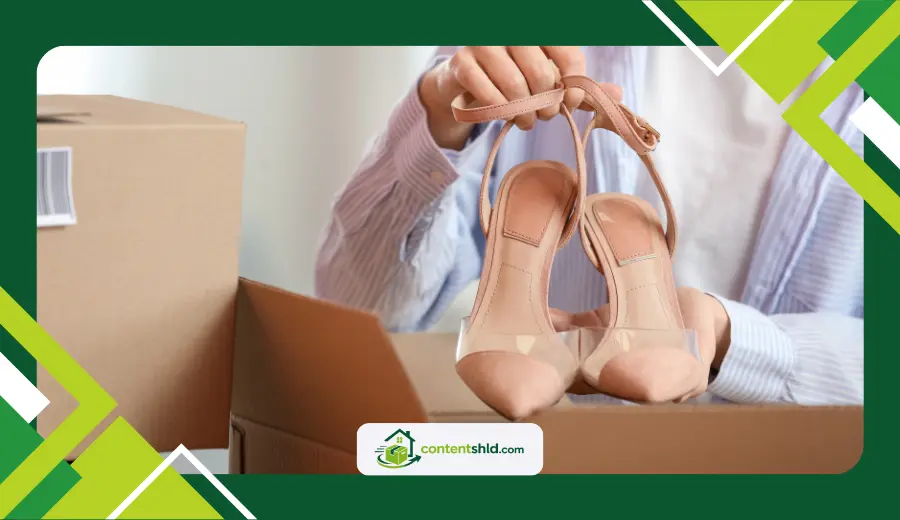
Which Techniques Work Best for Specialized or Heavy Footwear?
Heavy footwear like steel-toe boots or thick winter footwear requires distinct handling compared to delicate dress pumps.
Always place heavier boots at the very bottom of your container to establish a stable, balanced center of gravity that prevents top-heavy box tipping.
Lighter footwear, such as summer flip-flops or canvas slip-on shoes, can be packed together efficiently using clean cotton storage bags.
Nesting soft canvas shoes saves considerable space while maintaining hygiene, provided you keep them separated from heavy footwear items that might crush them.
To protect high-value leather goods against ambient environmental damage, consult proven leather care recommendations from established conservation institutions like the Smithsonian Conservation Institute.
Their practical preservation studies highlight the vital importance of breathable storage environments over non-porous plastic containers for organic materials.
Additionally, review general consumer packaging safety standards regarding non-toxic shipping materials.
Ensuring your packing supplies remain free from volatile chemicals prevents unexpected chemical reactions with synthetic footwear adhesives during extended transport delays or prolonged storage periods.
What about specialized boots or delicate footwear that require custom structural framing?
Understanding how to pack shoes for moving when dealing with tall leather riding boots or structured suede footwear means inserting rigid cardboard tubes inside the shafts to hold them upright.
Furthermore, applying soft cotton flannels around velvet or suede uppers shields vulnerable textures against friction rub.
From my experience, skipping this simple step frequently leaves permanent bald patches on delicate suede boots after long highway drives.
| Packing Material | Primary Advantage | Best Suited For | Environmental Impact |
| Acid-Free Tissue Paper | Prevents color transfer & retains shape | Luxury leather, suede, heels | Fully recyclable & biodegradable |
| Original Manufacturer Boxes | Perfect sizing & structural rigidity | All shoe types | Reusable & easily recyclable |
| Corrugated Cell Dividers | Maximizes box space & prevents sliding | Standard sneakers & flats | Highly durable & recyclable |
| Cotton Shoe Bags | Breathable protection against dust | Designer shoes & boots | Washable & endlessly reusable |
Where and How Should You Transport Packed Footwear?
Where should you place your packed shoe containers inside the transport vehicle for optimal safety?
Always stack shoe boxes on top of heavy furniture or near the upper layers of your load, well away from heavy appliances that could shift during sudden vehicular braking.
When organizing your moving schedule, reserve one versatile pair of athletic shoes to wear on moving day itself.
Pack a separate small overnight bag containing two additional everyday pairs so you avoid digging through sealed moving boxes immediately after arriving at your new residence.
Planning your unboxing timeline with care prevents post-move exhaustion and keeps your new living area tidy.
Unpack your daily footwear first, leaving seasonal boots or formal dress shoes safely inside their protected containers until your primary wardrobe space is fully organized.
For more detailed regulatory guidelines on household moving standards and safety protocols during long-distance relocations, visit the Federal Motor Carrier Safety Administration.
What Is the Best Way to Transition into Your New Space?
Mastering how to pack shoes for moving comes down to deliberate preparation, proper interior stuffing, and selecting breathable, protective wrapping materials. T
aking time to wrap each pair individually preserves your investment, protects delicate materials, and ensures a seamless transition into your new home wardrobe space.
Take inventory of your footwear collection today, discard worn-out pairs, and gather acid-free paper before packing begins.
Your future self will appreciate opening undamaged, ready-to-wear shoes the moment you finish unboxing in your new residence.

FAQ
How do I pack shoes for moving without original boxes?
Use individual cotton shoe bags or wrap each pair separately in acid-free packing paper.
Place them inside small moving boxes fitted with corrugated cardboard dividers to recreate individual box protection and keep pairs organized throughout transport.
What is the best material to stuff inside shoes when packing?
Acid-free tissue paper is the absolute best material because it holds shape without transferring ink.
Clean rolled cotton socks also work exceptionally well for casual footwear, serving a dual purpose by saving box space while maintaining toe structure.
Can I pack shoes in plastic storage bins?
Plastic bins work for short-distance relocations, but they trap ambient moisture during long-distance moves.
If using plastic, ensure shoes are completely dry and include small silica gel packets inside to absorb excess humidity during transport.
How many pairs of shoes should go in one moving box?
Limit small moving boxes to approximately six to eight pairs of standard shoes or three to four pairs of heavy boots.
Keeping boxes under thirty pounds prevents bottom seam ruptures and allows easy lifting during loading.