Learning how to pack picture frames for moving requires proper technique, quality materials, and a systematic approach to protect your valuable artwork during transport.
Moving delicate wall decor safely demands careful preparation, specific cardboard protectors, and sturdy outer boxes to prevent devastating glass breakage or frame damage.
Honestly, I have seen far too many priceless family heirlooms destroyed simply because someone rushed this step or trusted a flimsy towel instead of proper materials.
Taking an extra twenty minutes today saves you from the heartbreak of sweeping up shattered glass and torn canvas tomorrow.
Proper packing preserves sentimental memories, expensive artwork, and fragile glass covers during long-distance transit.
Transporting unprotected frames often leads to cracked glass, chipped wooden edges, dented metal corners, and torn canvas surfaces that ruin valuable family heirlooms completely.
Professional movers always emphasize structured wrapping methods to avoid costly transit insurance claims.
Cardboard corner protectors absorb severe impacts, preventing direct friction between stored frames inside moving trucks while providing crucial structural support during long journeys across country routes.
How Do Cardboard Protectors Preserve Delicate Frame Corners?
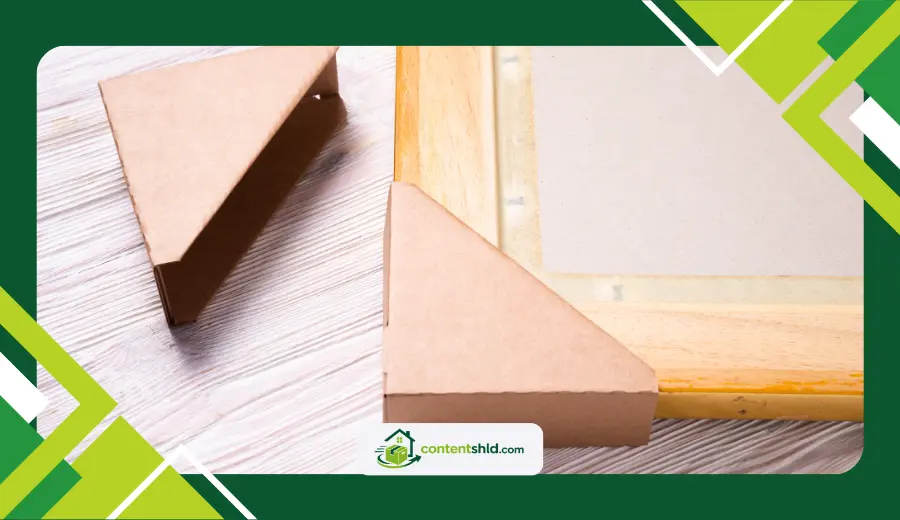
Cardboard corner protectors fit tightly around vulnerable edges, absorbing sudden impacts and preventing frame joints from splitting.
These specialized guards create an essential protective buffer between adjacent items, keeping sharp wooden or metal corners from damaging other packed household items inside moving boxes.
You can buy pre-folded adjustable cardboard corners online or custom-fold simple pieces from leftover corrugated boxes easily.
Positioning these guards onto all four corners stabilizes the frame structure, preventing frame alignment shifting during bumpy transit across uneven road conditions.
After securing corner guards with paper tape, wrap the entire frame tightly with clean newsprint paper.
Avoid applying adhesive tape directly onto delicate frame finishes, antique gilt surfaces, or glass, as sticky residue damages original varnishes permanently upon peeling.

Why Is Custom Cardboard Wrap Essential When You Pack Picture Frames for Moving?
Standard moving boxes rarely match the exact dimensions of large wall art, mirror glass, or framed posters properly.
Wrapping each item individually in custom telescopic cardboard sheets provides tailored padding that shields delicate surfaces from heavy pressure, dust, and external moisture during transit.
Creating custom cardboard shells around individual frames builds a rigid exterior layer that resists external crushing forces.
This customized barrier cushions fragile glass fronts against shifting cargo inside moving vehicles, ensuring complete protection throughout the stressful relocation process from start to finish.
To construct this protective shell, lay your paper-wrapped frame onto flattened heavy-duty corrugated board.
Fold the sides neatly around the edges, overlap the cardboard flaps securely, and seal every open seam tightly using heavy-duty plastic packing tape for optimal physical integrity.
In my experience, skipping this custom outer shell is the single biggest gamble you can take with large pieces.
++ How to pack clothes for moving to Save Space and Prevent Wrinkles
A single heavy box shifting in the truck can easily puncture thin bubble wrap, but a rigid cardboard exterior distributes that force across the entire surface instead.
| Protection Level | Primary Material | Recommended Frame Type | Impact Resistance |
| Basic Layer | Kraft Packing Paper | Small Wooden Frames | Low |
| Mid-Grade Cushion | Bubble Wrap & Corners | Standard Glass Frames | High |
| Heavy Duty Shell | Telescopic Cardboard Box | Large Artwork & Oil Paintings | Maximum |
Which Materials Should You Gather to Pack Picture Frames for Moving?
Gathering proper professional packing supplies before starting guarantees smooth execution and ultimate physical protection.
Using makeshift materials like thin towels or worn grocery boxes increases structural failure risks, exposing delicate glass panels to unexpected breakage during rough transit conditions.
- Heavy-duty corrugated cardboard sheets and specialized corner guards
- High-density bubble wrap rolls and acid-free archival wrapping paper
- Heavy-duty brown packing tape and permanent marking pens
- Specialized picture moving boxes or adjustable telescopic shipping cartons
Selecting acid-free glassine paper is vital when protecting exposed oil paintings or delicate acrylic artwork directly.
Standard plastic bubble wrap can stick directly to painted surfaces under hot conditions, causing permanent physical damage that ruins valuable custom artwork beyond repair over time.
For additional safety standards on fragile object transport, review guidelines provided by official cultural heritage preservation organizations.
Read more: How to pack kitchen dishes for moving Safely and Efficiently
Additionally, checking industrial packaging standards through international transit associations helps ensure your packing technique meets rigorous shipping safety requirements consistently.
How Has Picture Frame Packing Evolved Over Recent Decades?
Historically, homeowners wrapped framed pictures using old cotton blankets, newspapers, or simple burlap sacks.
These traditional methods provided minimal shock absorption, frequently resulting in cracked glass, scratched wood finishes, and moisture damage during seasonal relocations or long-term storage periods.
The development of corrugated cardboard technology revolutionized residential moving practices across the globe.
Modern engineered cardboard features inner fluting that disperses physical impact energy effectively away from fragile contents, providing lightweight yet rigid structural defense for valuable decorative art items.
Today, specialized telescopic picture boxes allow movers to combine multiple protective layers easily.
Integrating pre-formed cardboard corner guards alongside high-density bubble wrap has made self-packing framed artwork safer, reducing transit damages significantly for homeowners everywhere during major long-distance moves.
What Are Common Mistakes When You Pack Picture Frames for Moving?
The most frequent mistake beginners make is placing framed artwork completely flat inside moving trucks.
Flat positioning exposes wide glass surfaces to vertical vibration stresses, significantly increasing breakage probability whenever the truck encounters unexpected bumps, potholes, or sudden highway stops.
Another widespread error involves taping an “X” shape directly onto valuable glass panels with regular duct tape.
Standard adhesive leaves stubborn chemical residues that ruin antique glass coatings, whereas specialized painter’s tape or professional glass-masking film removes cleanly without leaving behind sticky marks.
Packing multiple unprotected frames together in a single oversized moving box
Forgetting to mark boxes clearly with “FRAGILE – GLASS” and “THIS SIDE UP” labels
Stacking heavy furniture items directly on top of packed picture box cartons
Using old newspapers that transfer black ink onto white matting boards permanently
++ The Ultimate Guide to color code moving boxes by Room
Always stand packed frames vertically on their side edges inside moving vans to maximize strength.
Secure packed picture boxes tightly between heavy mattresses or solid furniture pieces so they cannot tip over, slide around, or shift position during sharp vehicular turns.
Which Cardboard Box Type Best Fits Your Specific Artwork?
Choosing the correct box size prevents unnecessary shifting inside the container during long transportation routes.
Oversized boxes require excessive filler material, whereas tight boxes compress corner protectors, transferring external impacts directly into fragile wooden frame joints and glass panels.
I always tell people that if you hear anything moving inside the box when you shake it, you are not done packing yet. Internal movement is the silent killer of glass frames on long highway drives.
| Box Type | Typical Dimensions | Best Suited For | Key Benefit |
| Standard Picture Box | 28″ x 3.5″ x 24″ | Medium Framed Photos | Compact and easy to handle |
| 2-Piece Telescopic Box | 40″ x 3.5″ x 60″ | Large Wall Mirrors & Art | Adjustable height for custom fits |
| Heavy-Duty Wooden Crate | Custom Fabricated | Antique Fine Art & Glass | Ultimate protection for high value |
Telescopic boxes consist of two separate cardboard sleeves that slide over one another easily.
This sliding mechanism allows you to adjust the box length precisely, creating a custom fit around extra-large framed prints, decorative wall mirrors, or delicate canvas paintings.
Fill all remaining internal voids with crumpled kraft paper or extra bubble wrap thoroughly.
A properly packed picture box should allow zero movement when gently shaken, ensuring internal contents remain completely stationary throughout the entire moving journey from start to finish.
How Do You Wrap Canvas Paintings Differently Than Glass Frames?
Canvas paintings require distinct handling because stretched canvas breathes and reacts to climate changes.
Never cover raw oil or acrylic canvases directly with synthetic plastic wrap, as trapped moisture creates mold and heat causes plastic material to adhere to paint surfaces permanently.
First, cover the canvas face with acid-free glassine paper, securing edges around the back stretcher bars.
Next, place cardboard corner protectors onto all four corners before wrapping the entire piece in clean, breathable moving blankets or thick corrugated cardboard sheets for safety.
For glass-covered frames, apply painter’s tape in a grid pattern across the glass surface first.
If the glass breaks during transport, the tape holds shattered shards together, preventing sharp glass pieces from piercing the art print or mat board underneath during movement.
Step-by-Step Guide: How to Pack Picture Frames for Moving Efficiently
Following an organized, step-by-step sequence eliminates guesswork and ensures maximum physical safety for your art collection.
Allocate sufficient time and prepare a clean, flat table surface covered with a soft blanket before starting your packing process today.
Lay the frame face-up on a soft, padded surface to prevent surface scratching.
Apply low-tack painter’s tape in a crisscross grid across the entire glass front.
Attach pre-folded cardboard corner protectors to all four corners, securing them firmly with tape.
Wrap the frame completely in two layers of clean kraft paper, sealing all open edges tightly.
Add a thick layer of bubble wrap over the paper, keeping air bubbles facing outward.
Slide the protected frame into a fitted telescopic picture box filled with bottom cushioning paper.
Seal the box completely with heavy-duty packing tape and label it “FRAGILE” on all sides.
Double-check every tape seam along the box openings to prevent accidental popping during transit.
Clear, bold labeling helps movers recognize fragile contents immediately, ensuring your carefully packed artwork receives top-priority handling throughout the entire loading and unloading procedure.
How Should You Load Packed Picture Boxes Into Moving Trucks?
Proper truck placement is the final critical phase of protecting your packed picture frames effectively.
Never lay picture boxes flat on the truck floor or stack heavy plastic bins and wooden furniture crates on top of framed items during loading operations.
Always stand picture boxes upright along the interior padded walls of the moving truck.
Position them side-by-side securely, using heavy furniture pads or mattresses as cushioning barriers to prevent sideways movement or vibration damage during long highway trips across state lines.
Anchor picture boxes using nylon cargo straps to prevent tipping when driving over uneven roads.
Taking time to secure your packed artwork properly guarantees that every frame arrives at your new destination intact, undamaged, and immediately ready for hanging.
To ensure your delicate home decor items arrive safely without scratches or broken glass, applying structured wrapping techniques remains essential.
Start assembling your specialized packing supplies early, protect those fragile corners with sturdy cardboard, and always keep your framed art standing vertically for maximum structural safety throughout your entire move.
What Additional Steps Protect High-Value Antique Frames?
When dealing with antique gold-leaf frames or delicate plaster moldings, standard packing methods need an extra layer of caution.
Antique frames are often brittle, meaning even mild vibration can cause decorative details to flake off inside the box.
I always recommend wrapping antique pieces in soft cotton padding before adding any cardboard layers. Never allow plastic or tape to touch vintage gilding directly, as the chemical adhesive can pull the gold leaf right off the wood when removed.
Creating a floating crate structure inside a telescopic box offers the highest level of security for museum-quality pieces.
By surrounding the wrapped frame with high-density foam blocks, you ensure that external shocks never travel into the fragile wooden structure itself.

How Do Climate and Seasonal Changes Affect Packed Frames?
Temperature fluctuations inside moving trucks can severely impact delicate glass, wood, and canvas items during multi-day moves.
Extreme cold makes glass more brittle and prone to cracking under sudden impact, while high heat causes wood frames to expand and warp.
Humidity control is equally critical when moving framed artwork across different climate zones.
High humidity can trap moisture inside plastic wrapping, leading to mold growth on paper mats and stretched canvases within just forty-eight hours.
To prevent climate-related damage, use breathable paper layers closest to the artwork and avoid leaving packed frames inside an unconditioned moving truck over a hot weekend.
If you are moving during extreme winter or summer months, keep your highest-value art pieces inside the climate-controlled cabin of your personal vehicle instead.
FAQ
Can I pack multiple picture frames together in one box?
Yes, you can pack two or three small-to-medium frames together if they are separated by rigid cardboard sheets and individual bubble wrap layers.
Always place frames face-to-face or back-to-back, ensuring metal hardware on the back never rubs against another frame’s front surface.
Should I use bubble wrap directly on oil paintings?
No, never apply bubble wrap directly onto the surface of an oil painting. The plastic bubbles can leave permanent circular impressions or trap heat and moisture against the paint.
Always cover oil paintings with acid-free glassine paper first before adding outer protective bubble wrap layers.
Where can I get cardboard corner protectors for moving?
You can purchase pre-folded cardboard corner guards at local moving supply stores, truck rental offices, or online packaging retailers.
Alternatively, you can easily make custom corner protectors by cutting and folding strips from heavy-duty corrugated cardboard boxes you already have at home.
How do I know if a frame is too large for a standard picture box?
If your framed item exceeds 30 by 40 inches, standard single-piece picture boxes will likely not fit properly.
For oversized wall art or large decorative mirrors, use a two-piece telescopic cardboard box that adjusts to custom lengths or build a custom cardboard shell using heavy corrugated sheets.
What should I do if a glass frame cracks inside the box during the move?
If you suspect glass broke inside a packed box, do not open it frantically on a bare floor.
Place the entire box flat on a drop cloth or blanket before carefully cutting the tape, wearing heavy leather gloves to prevent cuts while removing broken pieces safely.