When you finally decide to pack kitchen dishes for moving, anxiety often sets in immediately. I have seen countless beautiful heirloom plates shatter due to rushed, improper packing techniques.
However, tackling this fragile task does not require magic. Through years of professional packing experience, I learned exact methods to secure every single plate, bowl, and delicate glass perfectly.
Therefore, my goal here is sharing those exact strategies. You will master the process quickly, saving your sanity and preserving your favorite dining sets for your brand new home.
We often underestimate the sheer weight of stacked ceramics. Consequently, understanding proper structural support becomes your greatest advantage during any stressful residential transition or long-distance family relocation effort.
Why Must We Pack Kitchen Dishes for Moving So Carefully?
The physics of transportation create intense vibrations inside moving trucks. Unprotected ceramics clashing against each other will naturally develop microscopic hairline fractures that eventually cause catastrophic breakage later.
Furthermore, sudden stops generate immense forward momentum inside cardboard boxes. Without adequate shock absorption, even thick restaurant-grade stoneware cannot survive the brutal impact against rigid interior box walls.
Additionally, temperature fluctuations inside cargo holds weaken fragile glass structures. Proper wrapping insulates these sensitive materials, effectively preventing thermal shock while simultaneously blocking destructive kinetic energy transfer completely.
How Did Dish Packing Evolve Historically?
Historically, families transported delicate ceramics packed tightly inside wooden barrels stuffed with dry sawdust. This primitive logistical method offered minimal shock absorption and created massive messes upon arrival.
Later, crumpled newspaper became the standard household packing material everywhere. Unfortunately, newsprint ink permanently stains fine china, forcing modern logistics experts to develop clean, dedicated packing paper alternatives.
Today, professional movers utilize corrugated dish barrel boxes exclusively. These double-walled containers represent a massive logistical leap, providing superior crush resistance compared to standard single-walled grocery store cardboard.
Which Materials Should I Use to Pack Kitchen Dishes for Moving?
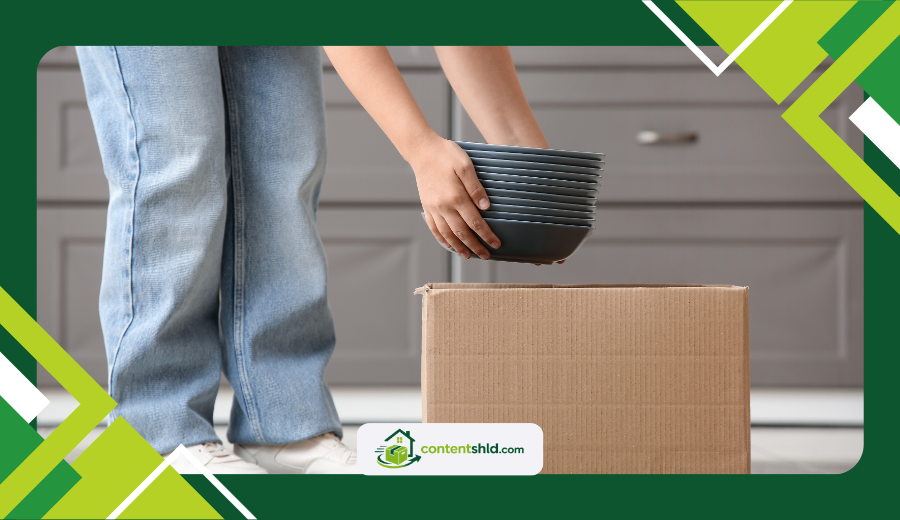
First, you absolutely need heavy-duty double-walled corrugated boxes. Standard cardboard simply flexes too much under heavy ceramic weight, easily compromising the structural integrity of your entire loaded stack.
Second, purchase unprinted packing paper in massive bulk quantities. You will inevitably use twice as much paper as originally anticipated, so overestimating this specific supply prevents frustrating delays.
Also, invest in high-quality cellular bubble wrap for extreme fragiles. While paper handles standard plates beautifully, delicate crystal wine glasses require that extra layer of trapped air protection.
++ How to Pack Fragile Glassware for Moving Without Bubble Wrap
Finally, secure everything using premium acrylic packing tape. Cheap adhesive notoriously fails in humid conditions, causing heavy dish boxes to spill their fragile contents right onto concrete driveways.
| Material Type | Primary Purpose | Cost Level | Professional Verdict |
| Unprinted Paper | Wrapping daily plates and bowls | Low | Absolutely Essential |
| Bubble Wrap | Shielding delicate stems and crystal | Medium | Highly Recommended |
| Dish Barrels | Housing heavy stacks safely | High | Mandatory for Safety |
| Cellular Dividers | Separating fragile glass items | Medium | Great for Beginners |
How Do I Actually Pack Kitchen Dishes for Moving Step by Step?
Always begin by creating a thick shock-absorbing bumper layer. Crumple several sheets of packing paper loosely, covering the entire bottom of your sturdy double-walled moving box completely.
Next, wrap each plate individually using your clean unprinted paper. Place the plate precisely in the center, pulling each corner tightly across the surface to create a snug envelope.
Crucially, you must always pack plates standing vertically on edge. Laying plates flat guarantees absolute disaster, because bottom plates absorb the entire weight of everything stacked directly above them.
Once you finish the bottom row, add another paper bumper. This thick middle layer separates the heavy vertical plates below from the lighter bowls or cups placed directly above.
Subsequently, wrap bowls individually and nest them together very gently. Place these wrapped bowl sets upside down on top of your middle paper layer to maintain perfect structural balance.
Carefully wrap your drinking glasses using a diagonal rolling technique. Tuck the paper edges inside the glass rim as you roll, providing crucial internal support against external crushing forces.
Read more: How to pack clothes for moving to Save Space and Prevent Wrinkles
Finally, fill absolutely every empty void with crumpled paper wads. Your box should feel completely solid when gently shaken; shifting contents immediately indicate inadequate padding and impending transit disaster.
What Are the Most Common Mistakes When You Pack Kitchen Dishes for Moving?
The most devastating mistake I constantly see involves overpacking boxes. Heavy ceramics quickly exceed safe lifting limits, drastically increasing the likelihood of dropping the entire load during transit.
Moreover, people frequently try saving money using free supermarket boxes. These containers previously absorbed moisture from produce, severely compromising their structural integrity and putting your delicate dishes at risk.
++ How to calculate moving truck size Needed for a 3 Bedroom House
Another frequent error involves using newspaper instead of clean paper. As mentioned earlier, ink transfers easily onto ceramics, ruining expensive porcelain and requiring hours of intense scrubbing afterward.
Finally, ignoring proper labeling creates chaotic unpacking experiences later. Clearly marking fragile indicators and directional arrows on multiple sides ensures everyone handles these specific boxes with appropriate professional respect.
| Common Amateur Mistake | Immediate Consequence | Professional Fix |
| Packing plates flat | Crushed bottom plates | Pack vertically on edge |
| Leaving empty spaces | Internal item collisions | Stuff voids with paper |
| Using standard boxes | Bottom falls out | Use double-walled boxes |
| Skimping on tape | Box opens in transit | Use the H-tape method |
When Should I Start to Pack Kitchen Dishes for Moving?
Kitchens notoriously take significantly longer than any other household room. Therefore, you should begin packing your rarely used specialty dishes at least three full weeks before your official move.
Next, tackle your formal dining sets and elegant entertaining pieces. Since you probably will not host dinner parties right before relocating, safely storing these items early reduces last-minute panic.
Keep only a minimal skeleton set for your final days. Two plates, two bowls, and basic silverware per person perfectly handle your daily nutritional needs without generating extra work.
Consequently, you can pack the remaining everyday dishes very confidently. Doing this two days prior ensures your kitchen stays fully functional while still keeping your master timeline completely intact.
Remember, rushing this specific task always leads to broken items. Giving yourself ample time allows for careful wrapping, methodical box filling, and proper weight distribution throughout the packing process.
Where Should I Place Heavy Boxes After I Pack Kitchen Dishes for Moving?
Loading strategy matters just as much as your wrapping technique. Always place heavy dish barrels directly on the truck floor, never stacked awkwardly atop lighter, less stable moving boxes.
Furthermore, tuck these fragile containers snugly under sturdy furniture items. A solid wooden dining table provides an excellent protective roof against other shifting loads inside the bumpy moving vehicle.
Additionally, strap the surrounding cargo tightly against the truck wall. Preventing forward momentum stops heavier items from violently crushing your carefully packed ceramics during sudden highway emergency braking scenarios.
For expert guidelines on safe lifting and load distribution, check the Occupational Safety and Health Administration standards.
Their ergonomic principles definitely prevent serious back injuries during heavy residential relocations.
Similarly, the American Moving & Storage Association provides excellent baseline standards.
Reviewing their official transportation guidelines ensures your heavy dish boxes survive long cross-country transit routes completely intact.
Who Should Handle the Most Valuable Items When You Pack Kitchen Dishes for Moving?
Sometimes, certain heirloom pieces hold immense irreplaceable personal sentimental value. I strongly advise moving these specific fragile items inside your personal vehicle rather than loading them onto the truck.
Professional movers certainly possess comprehensive insurance for accidental transit damage.
However, financial compensation never truly replaces your grandmother’s antique tea set once it shatters into a hundred unfixable pieces.
Therefore, dedicate one specific sturdy plastic tote for extreme valuables. Keep this distinct container completely separate from general cargo, guaranteeing it rides safely belted into your personal car’s backseat.
Furthermore, clearly communicate this specific transportation strategy with your crew.
Pointing out which specific boxes stay behind prevents accidental loading and completely eliminates unnecessary anxiety during the loading day.
How Does Weather Affect How We Pack Kitchen Dishes for Moving?
Surprisingly, severe weather dramatically impacts your fragile loaded ceramic items.
Freezing temperatures make glass exceptionally brittle, significantly increasing the likelihood of sudden shattering during typical winter residential moving processes.
Conversely, extreme summer heat quickly melts low-quality adhesive packing tape.
This catastrophic failure compromises structural integrity, causing heavy boxes to spontaneously burst open while being carried up steep staircases.
Consequently, maintaining strict climate control becomes absolutely vital during transits. If your relocation involves multiple days crossing harsh climate zones, consider upgrading to a fully climate-controlled moving truck service.
Additionally, letting cold dishes acclimatize slowly prevents sudden thermal shock. Never unpack freezing glass directly into a warm kitchen, as the sudden temperature shift practically guarantees immediate structural failure.
Which Alternatives Exist If I Cannot Pack Kitchen Dishes for Moving Myself?
Obviously, not everyone possesses the intense physical stamina required here. Hiring partial packing services offers an incredible compromise, allowing strong professionals to secure just your fragile kitchen items safely.
This hybrid approach saves substantial amounts of money overall constantly. You handle packing your clothing and books, while trained experts manage the complex physics of securing heavy, fragile ceramics.
Moreover, professional packers utilize specialized industrial-grade protective materials automatically always.
Their heavy-duty dish barrels and custom cellular dividers often exceed the protective capabilities of standard retail packing supplies available.
Ultimately, evaluating your personal energy levels remains crucially important beforehand.
Admitting you need targeted help prevents exhaustion-induced mistakes that inevitably lead to accidentally dropping your favorite heavy dinner plates.
What Is the Best Unpacking Strategy After You Pack Kitchen Dishes for Moving?
Naturally, unpacking requires just as much methodical care initially today. Begin by clearing vast amounts of counter space, creating a safe landing zone for unwrapping hundreds of paper layers.
Always slice tape horizontally along the box top extremely carefully. Plunging a sharp box cutter deeply into the center practically guarantees violently scratching the top layer of your packed plates.
Subsequently, remove wrapped dishes one by one with steady hands. Flatten your massive pile of packing paper continuously to prevent accidental trips and maintain a clean, organized kitchen workspace.
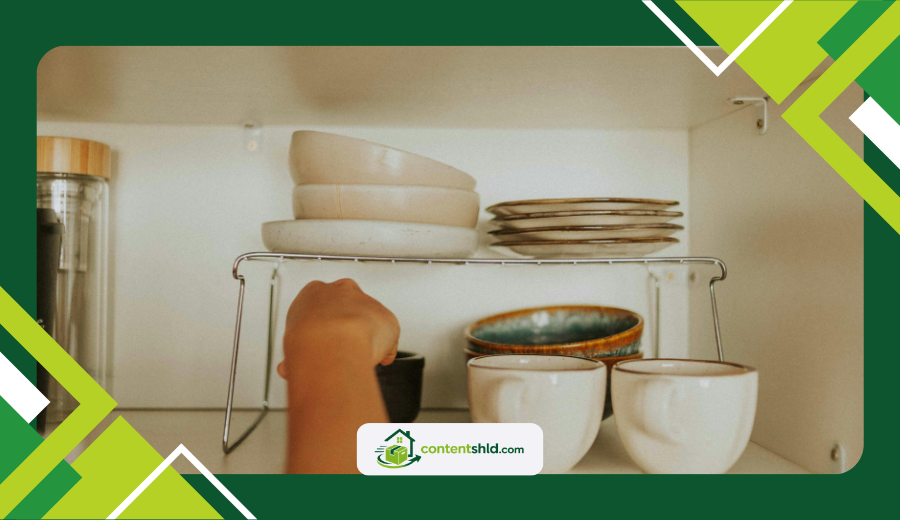
Finally, inspect each item briefly before storing it away permanently. This immediate visual check ensures nothing cracked during transit, allowing you to seamlessly organize your beautiful new kitchen cabinets.
Mastering this entire process completely transforms a previously terrifying chore. By implementing these professional strategies rigorously, you ensure every single plate arrives pristine and perfectly ready for dinner service.
Now, grab your tape dispenser and begin wrapping ceramics confidently. Your future self will incredibly appreciate the meticulous effort invested today when enjoying your first meal safely back home.

Frequently Asked Questions
Should I wash dishes before packing them?
Yes, you absolutely must wash every single item thoroughly beforehand. Packing dirty dishes attracts unwanted pests during transit and allows nasty food residues to permanently stain delicate ceramic surfaces.
Can I use towels instead of packing paper?
While thick towels definitely work for large metal pots well, they lack the rigid structure needed for delicate glass. Paper compresses better, providing superior shock absorption for fragile items.
How heavy should a dish box be?
Never let a packed dish box exceed forty pounds total. If you struggle lifting it comfortably off the floor, it poses a massive dropping risk and needs immediate repacking.
Are plastic bins good for moving dishes?
Hard plastic bins generally fail at absorbing impact shocks effectively. Unlike double-walled corrugated cardboard, rigid plastic transfers kinetic energy directly into your fragile items, significantly increasing the breakage risk.