Establishing a strategic room by room unpacking order remains the most effective way to eliminate domestic chaos and settle into a new residence quickly.
When you walk into a home filled with dozens of sealed cardboard containers, opening random boxes creates immediate clutter, fatigue, and widespread disorganization.
However, following a structured chronological workflow allows your family to restore essential living functions while maintaining clear walkways across all primary household living zones.
Whenever I coordinate residential setups after moving trucks depart, I enforce a strict room sequencing protocol rather than allowing unscheduled unpacking throughout the house.
Systematic sequencing ensures you address critical personal needs first, transforming an overwhelming sea of boxes into a peaceful, functional home within days.
Let us explore the step-by-step unpacking sequence and professional strategies that guarantee an efficient, structured, and completely seamless transition into your new space.
Why Does a Room by Room Unpacking Order Speed Up Your Setup?
Tackling multiple living spaces simultaneously scatters packing paper, plastic wrap, and half-empty boxes across every corridor, causing severe mental and physical exhaustion.
Focusing exclusively on one designated space at a time creates immediate, visible milestones that maintain household motivation throughout long post-move settling sessions.
I consistently find that an organized unpacking workflow reduces overall setup duration by several days, preventing essential daily items from vanishing inside misrouted boxes.
Furthermore, finishing utility zones early prevents you from ordering expensive takeout meals or digging through random storage containers just to find basic toiletries.
| Sequential Phase | Target Room Zone | Primary Setup Goal | Estimated Timeline |
| Phase 1: Essential Comfort | Primary Bathrooms | Personal hygiene and first-aid access | Hours 1 to 3 |
| Phase 2: Rest & Recovery | Bedrooms | Beds assembled with clean linens | Hours 3 to 6 |
| Phase 3: Daily Sustenance | Kitchen & Pantry | Meal preparation and food storage | Day 1 to Day 2 |
| Phase 4: Shared Living | Living & Family Room | Furniture layout and electronics setup | Day 2 to Day 3 |
| Phase 5: Productive Spaces | Home Office | Desk ergonomics, tech, and files | Day 3 to Day 4 |
| Phase 6: Long-Term Storage | Garage, Attic, & Closets | Seasonal items and tool organization | Week 1 to Week 2 |
Completing functional zones systematically allows you to collapse empty cardboard cartons immediately, clearing physical space before moving on to secondary rooms.
See Also: What to Put in Your First Night Moving Essentials Box
Which Room Must You Unpack First on Arrival Day?

The primary bathroom stands as the absolute first space you must unpack and sanitize before opening any other household cartons.
After hours of exhausting physical loading, travel, and heavy lifting, having immediate access to fresh hand towels, soap, and toilet paper is essential.
Unpack your shower curtain, bath mat, personal medications, and dental care items so every family member can refresh without searching through mislabeled containers.
Next, shift your complete focus toward assembling bed frames, setting up mattresses, and dressing each bed with fresh sheets and supportive pillows.
Moving day causes substantial physical exhaustion, and assembling bed components late at night under dim lighting invites frustration, dropped hardware, and poor sleep.
Completing your sleeping quarters early guarantees a comfortable, restful sanctuary where you can recharge properly before tackling larger household living zones tomorrow.
How to Set Up the Kitchen Quickly for Daily Cooking
The kitchen represents the most labor-intensive room in any residence due to fragile dishware, varied food items, and numerous small electronic appliances.
Begin by wiping down all cabinet interiors, pantry shelving, and refrigerator compartments before placing clean cookware or pantry goods onto food-contact surfaces.
Prioritize essential daily appliances first, plugging in your coffee maker, toaster, microwave, and electric kettle to support quick meals during unpacking sessions.
Unpack a core daily dinner set consisting of four plates, bowls, cups, and basic flatware sets before unpacking extensive fine china or specialty cookware.
For comprehensive residential ergonomics and household setup standards, reviewing the workspace planning guides on This Old House
provides reliable layout tips for functional kitchens.
Organizing kitchen counters methodically ensures your family prepares healthy, cost-effective meals immediately, keeping energy high while working through remaining containers.
| Kitchen Category | Immediate Priority (Day 1) | Secondary Priority (Day 2) | Deferred Priority (Day 3+) |
| Appliances | Refrigerator, coffee maker, microwave | Toaster oven, blender, food processor | Specialty waffle makers, slow cookers |
| Cookware | One skillet, one saucepan, spatula | Complete pot sets, baking sheets | Specialty roasting pans, cast iron |
| Tableware | Four everyday plates, cups, flatware | Full family dishware sets, mugs | Fine crystal, stemware, formal china |
| Pantry Goods | Basic spices, coffee, cooking oils | Canned goods, dry grains, baking supplies | Specialty spices, bulk preservation goods |
| Cleaning Supplies | Dish soap, sponge, trash can, liners | Dishwasher pods, surface disinfectants | Deep-cleaning degreasers, specialty polishes |
How Does a Structured Room by Room Unpacking Order Transform Living Areas?
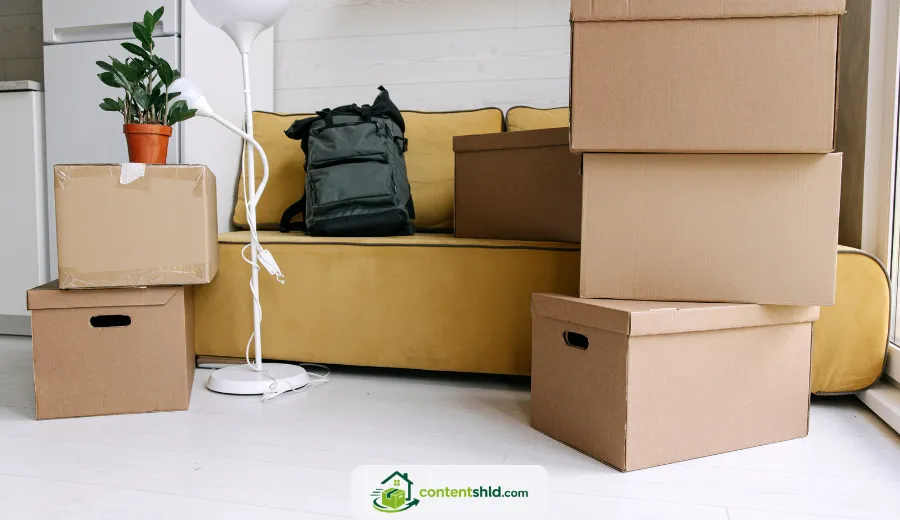
Transitioning toward common living rooms should occur only after bedrooms, primary bathrooms, and functional kitchen areas operate with reliable daily efficiency.
The living room serves as a central staging ground where family members unwind, gather, and organize communication throughout the final stages of the relocation.
Begin by positioning major seating furniture, establishing clear pathways between entry doors, hallway intersections, and central entertainment or seating consoles.
Unpack primary television equipment, home Wi-Fi routers, and charging stations so household communications and digital entertainment operate without complicated wiring snarls.
Postpone hanging framed art, staging decorative shelving, and unrolling delicate accent rugs until all heavy cardboard boxes clear the primary walking floor space.
Maintaining open, clutter-free floors minimizes tripping hazards and protects sensitive upholstery fabrics from construction dust, packing tape debris, and scuff marks.
When Should You Tackle Home Offices and Utility Closets?
If you operate a remote business or work from home, setting up your personal office space demands prompt, methodical scheduling.
Assemble your office desk, configure ergonomic seating, and establish electrical connections for desktop computers, monitors, document scanners, and secure routers.
Organize sensitive physical files, legal closing documents, and personal tax binders inside lockable desk drawers to keep private records completely protected from clutter.
Utility closets and laundry stations should follow closely, allowing you to wash dusty moving blankets, sofa throws, and bath linens without leaving home.
Inspect washing machine supply hoses and dryer exhaust ducts thoroughly during installation to avoid accidental indoor flooding or hazardous lint fire risks.
To verify home safety guidelines and verified appliance installation recommendations, consult the public safety resources on the National Fire Protection Association
official portal for technical standards.
Establishing your workspace and laundry hubs brings your daily personal routine back to normal, restoring productivity and household balance quickly.
How to Handle Garages, Basements, and Long-Term Storage
Storage zones like garages, basements, utility sheds, and attic spaces should always remain the final phase of your unpacking workflow.
These peripheral areas frequently receive miscellaneous storage bins, seasonal holiday decorations, sports gear, lawn care machinery, and specialized workshop tools.
Resist the urge to unpack decorative storage totes until all functional, daily living areas inside your main home operate with complete domestic order.
Install sturdy modular metal shelving along garage perimeter walls to elevate plastic totes off concrete floors, guarding items against moisture and pests.
Group storage containers into distinct, logical categories such as seasonal clothing, camping gear, gardening tools, and automotive maintenance supplies with visible labels.
Completing your room by room unpacking order with organized storage zones ensures your garage remains clear for vehicle parking rather than permanent clutter.
Practical Steps to Maintain Momentum While Unpacking
Sustaining personal physical energy during unpacking requires steady pacing, frequent hydration breaks, and realistic daily expectations for every household member.
Set a strict rule to break down and flatten every cardboard box immediately upon emptying it, removing packaging waste from living zones daily.
Designate an exterior recycling staging area for clean cardboard, paper padding, and plastic film to prevent packaging debris from choking interior rooms.
When you execute a systematic room by room unpacking order, you convert an overwhelming relocation into a structured, satisfying, and rapidly completed project.
Frequently Asked Questions
How many days should it realistically take to unpack an entire house?
Most households complete their primary living areas within two to four days by following a dedicated room sequence. Secondary spaces, guest rooms, and storage garages generally take one to two additional weeks of paced, part-time organizing sessions.
What should you do with boxes that contain items for multiple rooms?
Place mixed-item boxes in a temporary staging corner within the living room or hallway. Open the container, sort contents into designated laundry baskets corresponding to each specific room, and deliver those baskets directly to their target spaces before unboxing.
Should you clean each room before unpacking boxes into cabinets?
Yes, always wipe down shelves, vacuum baseboards, and sanitize bathroom and kitchen surfaces before placing personal items inside. Cleaning empty rooms takes minutes, whereas cleaning around newly arranged belongings requires double the effort and time.
How do you keep children and pets safe during the unpacking process?
Set up a designated safe room, such as an assembled child bedroom or quiet guest room, stocked with familiar toys, bedding, and food. Keep interior doors closed while moving heavy furniture and unboxing items to prevent accidental escapes or injuries from falling tools.