Learning how to organize a kitchen after moving transforms a frustrating, chaotic room into the functional, welcoming heart of your new home.
Unpacking cardboard boxes without a deliberate strategy almost always leads to cluttered countertops, misplaced utensils, and unnecessary daily frustration.
When you step into an unfamiliar kitchen surrounded by taped boxes, feeling completely paralyzed by the sheer volume of cookware, pantry goods, and small appliances is a universal experience.
Over my fifteen years helping homeowners set up functional spaces, I have learned that tackling this room first isn’t merely about finding places for your plates—it is about restoring control over your daily life.
Setting up a fresh culinary workspace requires strategic spatial planning rather than rushed unboxing.
You need to map movement patterns, observe natural lighting, and visualize how you cook before placing a single dish into a cabinet.
This comprehensive guide provides field-tested strategies to build a seamless layout that serves your personal household routine right from day one.
Why Is Kitchen Organization The First Priority When Moving?
Moving into a new home causes substantial physical and mental fatigue, making basic daily tasks feel overwhelming.
Having immediate access to clean water, basic utensils, and fresh food keeps your energy levels stable throughout the transition process.
Setting up your cooking space first lets you prepare simple, nourishing meals immediately instead of depending on costly, heavy takeaway options for weeks.
Establishing structured work zones early prevents the exhausting practice of double-handling household items down the road.
When every cup, pan, and pantry staple gets a clear home from the very beginning, family members can help unpack without asking constant questions.
A functional cooking environment creates an immediate sense of comfort and stability amidst the surrounding moving chaos.
Logistically, this room contains the highest concentration of small, varied items of any space in a typical home.
Managing these objects systematically prevents essential everyday tools from disappearing into generic moving boxes for long periods.
Finishing this central room builds crucial momentum for tackling the remaining living spaces with renewed energy and clear focus.
What Is The Historical Evolution Of Efficient Kitchen Layouts?
| Historical Era | Layout Innovation & Functional Focus |
| 1920s (Frankfurt) | First ergonomics study, standardized high-density units |
| 1940s (Post-War) | Introduction of the classic Work Triangle concept |
| 1980s (Open Plan) | Integration with living areas, decorative zoning |
| Modern Era | Custom pull-outs, dedicated task-based workstations |
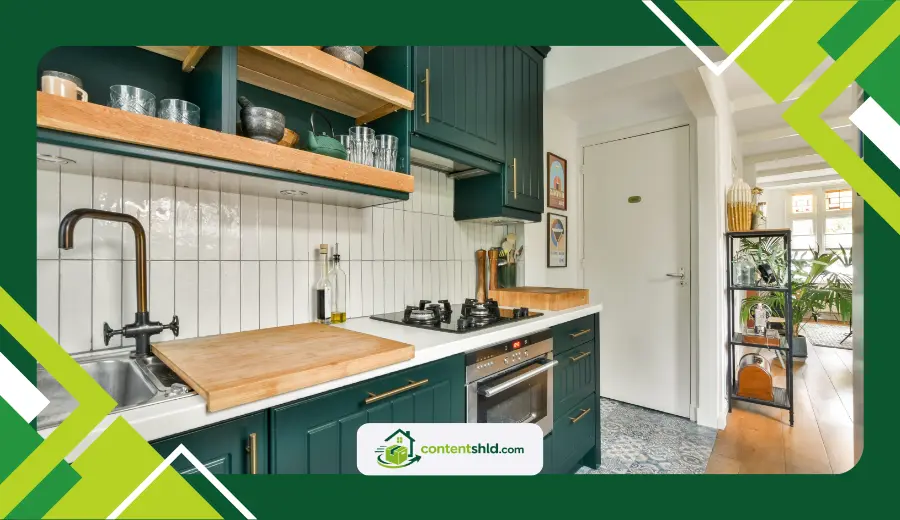
Kitchen design evolved dramatically across the twentieth century to reduce physical strain and streamline household chores during meal preparation.
Architect Margarete Schütte-Lihotzky created the groundbreaking Frankfurt Kitchen back in 1926, optimizing small spaces for maximum task efficiency and structured movement.
By the 1940s, industrial researchers introduced the famous Work Triangle model to connect the refrigerator, sink, and stovetop efficiently.
This simple geometric layout minimized unnecessary steps across the floor and reshaped domestic architecture across the globe for several generations.
Modern residential designs have largely expanded beyond strict triangular layouts into specialized activity workstations.
++ The First 10 things to do after moving into a new home
Understanding these design principles helps us organize a kitchen after moving by utilizing deep drawers, tall pantries, and vertical storage to fit actual modern lifestyle habits.
How To Plan Your Layout Before Opening A Single Box?
Before breaking any box tape, wipe down every cabinet shelf, drawer, and surface thoroughly.
Cleaning interior surfaces removes residual dust and ensures your clean dishware rests on fresh, sanitary shelving. Installing durable shelf liners protects your cabinetry from moisture and stops glassware from sliding around when drawers open.
Next, examine the room layout carefully to establish intuitive boundaries for specific everyday tasks.
Map out primary activity zones by identifying where food prep, cooking, baking, and dishwashing naturally take place.
Position your main preparation area near the sink and trash receptacle so you can chop and clean without walking across the room continuously.
Read more: How to deep clean a new house before moving in
Finally, purge unwanted belongings while unboxing rather than storing things you no longer use. Donate duplicate utensils, worn cookware, and damaged containers immediately.
Keeping only functional essentials keeps your storage areas organized, spacious, and stress-free over the long term.
How To Optimize Small Kitchen Space Efficiently?
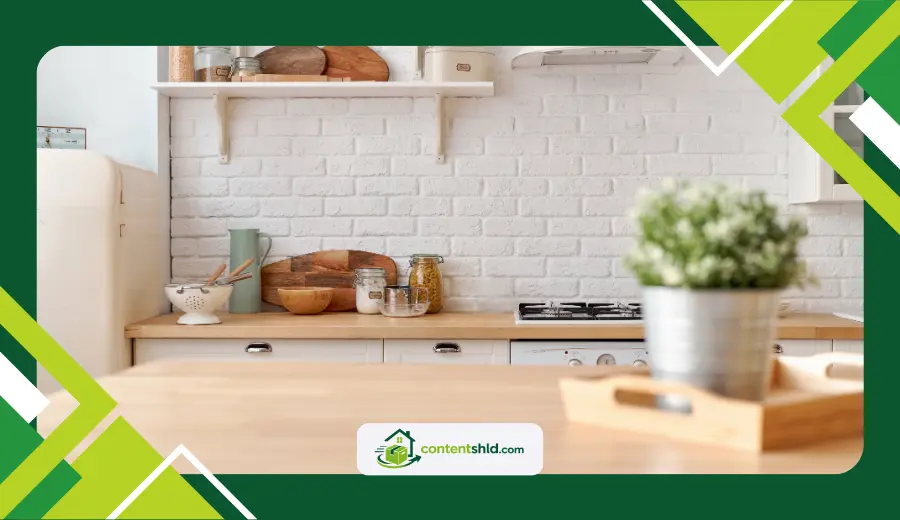
Maximizing limited cabinet space after a move requires clever vertical organization strategies. Installing magnetic knife strips, hanging stemware racks, and using tiered shelf risers instantly doubles your storage capacity without cluttering primary countertops.
Utilizing the insides of cabinet doors for measuring spoons or cutting boards keeps essential items accessible yet completely out of sight.
Keep your primary preparation surfaces clear by storing minor appliances inside lower cabinets until needed.
For additional guidelines on home layout safety and spatial ergonomics, explore the residential resources provided by USA.gov. Small adjustments make tight kitchens feel remarkably spacious.
How To Organize A Kitchen After Moving For Maximum Efficiency?
The most effective system when learning how to organize a kitchen after moving involves grouping items strictly by frequency of use.
Everyday essentials like plates, water glasses, and flatware should stay within comfortable reach between waist and shoulder height.
++ Essential moving day survival kit checklist for the Whole Family
Reserve upper shelves for seasonal platters, holiday linens, or specialized preservation equipment that you only retrieve occasionally.
Position heavy cookware, such as cast iron skillets and Dutch ovens, close to the stove inside deep base drawers or low cabinets.
Storing heavy items on high shelves creates an unnecessary safety hazard and causes physical strain every time you prepare dinner.
Use vertical dividers inside base cabinets to keep cutting boards, baking sheets, and serving trays upright and organized.
| Storage Zone | Ideal Content Placement |
| Upper Cabinets | Daily glassware, dinnerware, coffee mugs, spices |
| Lower Drawers | Heavy pots, pans, mixing bowls, food storage containers |
| Pantry Shelving | Dry goods grouped by category in clear, sealed tubs |
| Under-Sink Cabinet | Cleaning supplies, trash liners, extra sponges, dish soap |
Place daily dishes near the dishwasher or drying rack to streamline your daily routines. Proximity makes unloading dishes effortless, preventing clean items from cluttering up counter space.
Strategic placement is the secret to maintaining order without spending endless hours cleaning up.
What Common Errors Ruin New Setup Functional Flow?
Unpacking without cleaning first: Placing clean cookware onto dusty builder surfaces forces you to wash everything again later.
Ignoring natural workflow zones: Storing daily spices far from the stove creates constant disruption during cooking tasks.
Overloading upper wall cabinets: Placing heavy appliances on high shelves increases injury risks and structural stress.
Buying organizers too early: Purchasing plastic containers before measuring drawers results in mismatched, wasteful storage.
Neglecting under-sink organization: Leaving cleaning supplies unorganized under the sink leads to accidental leaks and lost items.
How To Maintain Organization Over Time?
Keeping a kitchen organized requires short, consistent daily habits rather than exhausting weekend overhauls.
Spend five minutes clearing your countertops every evening before turning off the lights.
Returning misplaced items to their designated homes immediately stops small messes from growing into overwhelming clutter.
Be prepared to adjust your storage arrangement after living with your initial setup for two or three weeks. You will naturally spot minor friction points in your routine once you prepare several full meals.
Shift misplaced tools to spots that match your actual cooking habits rather than sticking strictly to initial guesses.
Schedule seasonal reviews of your pantry shelves and spice racks to discard expired ingredients. Grouping remaining dry goods into simple labeled containers keeps shelves neat, visible, and easy to restock.
Consistent maintenance protects your initial efforts and keeps your home running smoothly every day.
To learn more about maintaining a healthy, home-centered environment and workplace safety standards, check the consumer guides hosted at CPSC.gov.
Frequently Asked Questions
Which kitchen box should I open first after moving?
Unpack your essential box first, containing daily coffee supplies, a couple of plates, basic utensils, dish soap, and a chef knife. This allows immediate functioning without unpacking every box right away.
How do I organize deep base drawers effectively?
Use adjustable pegboard dividers or deep drawer organizers to hold pots, lids, and dish stacks securely. Vertical storage prevents items from sliding around when opening drawers quickly.
How high should everyday glassware be stored?
Store daily glassware on the lowest shelf of your upper cabinets. This placement keeps frequently used items within comfortable reaching height for all adult household members without requiring step stools.
What is the best way to arrange a small pantry?
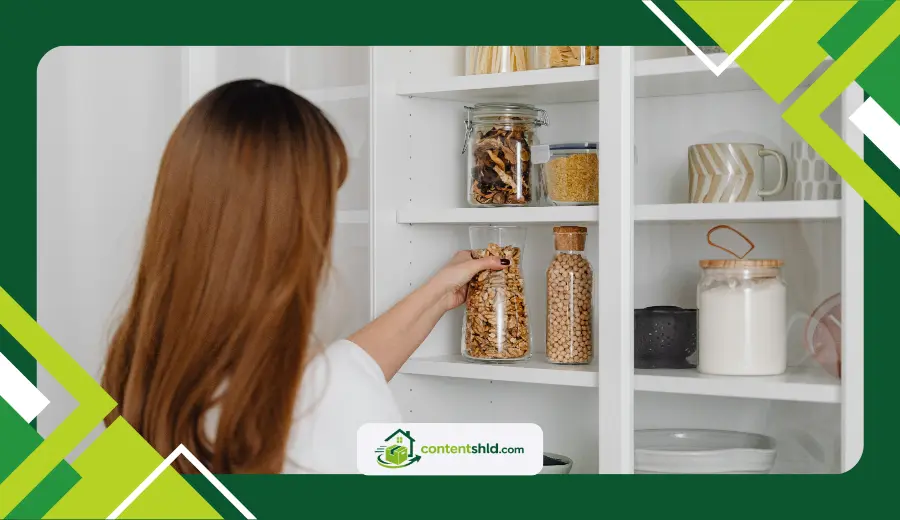
Group items by category using clear bins labeled by food type, such as breakfast items, grains, or baking supplies. Utilize back-of-door hanging racks to maximize vertical wall space efficiently.
++ Unpacking Organization: How to set up the ideal kitchen from scratch