When you step into an empty property, learning how to deep clean a new house before moving in is the absolute first step toward turning an unfamiliar space into your personal sanctuary.
Moving into a fresh space feels liberating, yet previous owners often leave behind hidden grime, construction dust, or neglected corners that require immediate, structured attention before your boxes arrive.
Over my fifteen years managing high-end residential setups, I have refined a systematically tested top-to-bottom strategy that saves hours, prevents cross-contamination, and guarantees a truly hygienic baseline.
Why Is Cleaning an Empty House Before Unpacking So Essential?
Cleaning an empty house is vastly easier because every surface, corner, and baseboard remains fully accessible, allowing you to sanitize hard-to-reach zones without moving heavy furniture or fragile boxes around.
Dust particles, pet dander, and airborne allergens settle rapidly during moving transitions, making a pre-move deep clean essential for protecting your family’s respiratory health right from your very first night.
Furthermore, tackling sanitation before unpacking prevents cross-contaminating your clean belongings with leftover grime from previous occupants, establishing a pristine baseline that makes ongoing household maintenance significantly simpler over time.
What Historical Practices Shaped Modern Residential Deep Cleaning?
Historically, deep cleaning was strictly tied to seasonal shifts, like traditional spring cleaning, where households ventilated rooms and scrubbed coal soot from walls after long, harsh winter heating months.
As residential architecture evolved and synthetic building materials emerged throughout the 20th century, cleaning methodologies shifted from simple surface dusting to specialized chemical sanitation and targeted allergen reduction techniques.
Today, modern home preparation blends commercial hygiene standards with non-toxic chemical formulations, ensuring that new homeowners eliminate residual chemical off-gassing, fine drywall dust, and microscopic biological contaminants effectively and safely.
Which Essential Supplies Do You Need Before Starting?
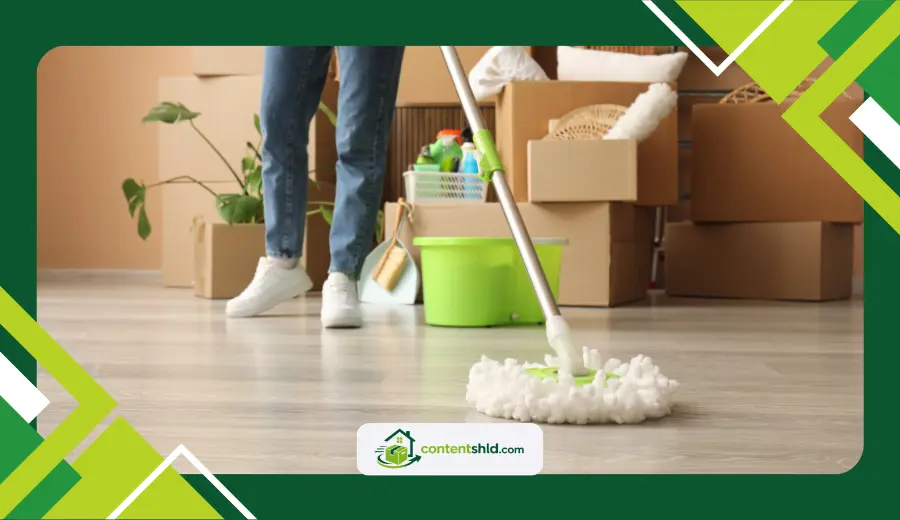
Starting your project without the proper tools creates unnecessary delays, so I always assemble a complete commercial-grade cleaning kit before stepping foot inside an empty, freshly purchased property.
Microfiber towels are indispensable because their charged synthetic fibers trap microscopic dust rather than pushing it around, unlike traditional cotton rags or single-use paper towels that tear easily on rough surfaces.
++ Complete Guide on how to transfer utilities when moving to a New Home
Additionally, equip yourself with an extension duster, a vacuum equipped with a HEPA filter, a heavy-duty mop, color-coded bucket systems, and targeted cleaning solutions formulated for specific home materials.
| Equipment / Solution | Primary Purpose | Best Used On |
| HEPA Vacuum | Traps fine drywall dust and micro-allergens | Hardwood, carpets, air vents |
| Microfiber Cloths | Captures microscopic particulates effectively | Baseboards, cabinets, counters |
| pH-Neutral Cleaner | Removes grime without stripping protective finishes | Natural stone, hardwood flooring |
| Enzyme Sprays | Breaks down organic residues and stubborn odors | Bathrooms, sink drains, trash zones |
How to Deep Clean a New House Before Moving in Step-by-Step?
Executing a methodical room-by-room strategy guarantees that you will not accidentally track dust back onto freshly sanitized surfaces or waste precious energy re-cleaning areas you already finished.
Always adhere strictly to the classic professional standard: work from top to bottom, moving ceiling to floor, and from dry tasks to wet wiping throughout every single room in the home.
Read more: How to calculate moving truck size Needed for a 3 Bedroom House
This systematic approach ensures gravity works for you, allowing falling dust and debris to land on uncleaned lower surfaces before your final floor vacuuming and mopping passes begin.
Step 1: Clear the Air and Address Ceilings First
Begin by opening windows to promote cross-ventilation, allowing trapped stale air, residual paint fumes, and chemical smells to escape while fresh outdoor air circulates continuously through the house.
Use your extended duster to clear cobwebs from ceiling corners, light fixtures, ceiling fan blades, and exhaust vents, allowing loose debris to fall freely onto unwashed floors below.
++ Step-by-Step room by room unpacking order for Fast Setup
Wipe down ceiling fan blades carefully using a damp microfiber cloth, trapping caked-on dust so it does not scatter across your freshly painted walls or newly scrubbed floorboards.
Step 2: Sanitize HVAC Systems and Air Vents
Unscrew air vent covers across every room, soaking them in warm soapy water while you vacuum out accessible duct openings using your vacuum cleaner’s crevice tool attachment.
Replace all internal furnace and air return filters immediately, as previous contractors or owners rarely change filters after completing construction, renovation, or move-out activities.
According to guidelines from the U.S. Environmental Protection Agency (EPA), maintaining clean indoor air systems significantly reduces indoor air pollutants and prevents newly moved households from circulating old dust.

Step 3: Scrub Windows, Walls, and Baseboards
Inspect walls for stray marks, finger smudges, or drywall dust, spot-cleaning delicate paint using a damp cloth combined with mild dish soap to avoid dulling your wall finish.
Wipe down window sills, tracks, and frames thoroughly, where moisture and settled dust frequently combine to form stubborn grime or unsightly mildew patches along the glass edges.
Finished baseboards require meticulous hand-wiping; run a damp microfiber cloth along every inch, finishing with a dryer sheet pass to repel future airborne dust accumulation efficiently.
How to Deep Clean a Kitchen in Your New House?
Kitchens demand extraordinary hygiene focus because food prep surfaces, storage cabinets, and kitchen appliances frequently harbor grease build-up, food bacteria, and old food splatters from past residents.
Begin at the highest point by wiping the tops and interior shelves of all kitchen cabinets using a warm, mild degreasing spray and clean microfiber cloths.
Ensure you wipe down both sides of cabinet doors, paying close attention to handles, knobs, and soft-close hinges where grease and finger oils build up heavily over time.
Pull major appliances completely away from walls if safe to do so, revealing hidden caches of dirt, lost items, and accumulated grease lining the floor underneath.
Sanitize the refrigerator interior with food-safe vinegar solutions, removing all drawers and shelves to wash them thoroughly in warm soapy water before reassembling the unit completely.
Deep clean the oven interior using a specialized oven cleaner or baking soda paste, scrubbing away burnt residue before wiping down stove burners and stainless steel range hoods.
Finally, scrub your sink basin, disinfect faucet handles, and treat garbage disposals with citrus peels or enzymatic cleaner to eliminate foul lingering plumbing odors permanently.
How to Disinfect Bathrooms for Total Peace of Mind?
Bathrooms require rigorous disinfectant application to neutralize mold spores, soap scum, and bacteria, ensuring your family feels fully comfortable using every fixture upon arrival.
Spray all tile surfaces, glass shower doors, and porcelain bathtubs generously with an anti-fungal cleaner, allowing the product to sit for ten minutes to dissolve tough mineral deposits.
Scrub grout lines using a stiff-bristled brush, rinsing thoroughly with warm water before drying surfaces completely with squeegees to prevent immediate water spot formation on fresh tile.
Disinfect toilets thoroughly from top to bottom, including the flush handle, tank top, base exterior, and hidden floor bolts where unsightly residue frequently accumulates unnoticed over years.
I strongly advise homeowners to install brand-new toilet seats upon moving in; it is an inexpensive upgrade that provides immense psychological comfort and guaranteed personal hygiene.
Finish by polishing bathroom mirrors with glass cleaner, wiping vanity drawers inside and out, and sanitizing towel racks, door hardware, and light switches with disinfectant wipes.
What Is the Proper Method for Deep Cleaning Floors?
Flooring should always represent the final major phase of your deep clean, preventing you from stepping over freshly washed surfaces while working on upper walls, cabinets, or light fixtures.
Vacuum all hard floors, carpets, and closet corners meticulously using a HEPA vacuum to extract deeply embedded sand, construction dust, and pet hair hidden along edges.
If carpeted rooms exhibit noticeable stains or persistent pet odors, consider renting a professional steam extractor or hiring certified specialists before moving heavy furniture items inside.
| Flooring Type | Recommended Method | Avoid Using |
| Solid Hardwood | Damp mop with pH-neutral wood cleaner | Excess water, harsh steam mops |
| Porcelain Tile | Steam cleaning or mild detergent scrub | Abrasive steel wool pads |
| Luxury Vinyl (LVP) | Microfiber mop with warm water & dish soap | Wax polishes, harsh solvents |
| Wall-to-Wall Carpet | HEPA vacuuming & hot water extraction | Oversaturating carpet padding |
When mopping hardwood or luxury vinyl tile floors, use two buckets—one containing your diluted pH-neutral cleaner and one containing clean rinse water—to prevent redepositing dirty water.
Wring out your mop head thoroughly; excessive water can seep into hardwood seams or vinyl planks, causing unsightly wood warping or edge buckling over time.
Allow all floors to air-dry completely before dragging heavy moving boxes across them, protecting your beautifully restored surfaces from accidental scuffs, scratches, or moisture rings.
What Common Deep Cleaning Errors Should You Avoid?
One widespread mistake novices make when trying to deep clean a new house before moving in is using a single cleaning cloth across multiple rooms, which spreads bacteria continuously.
Always separate your microfiber towels by dedicated color zones: blue towels for glass and mirrors, yellow towels for kitchen surfaces, and red towels strictly for bathroom disinfection tasks.
Another frequent error involves mixing different chemical cleaners, such as bleach and ammonia, which creates toxic chloramine gas capable of causing severe respiratory damage or immediate distress.
Never skip testing new chemical sprays on hidden surface areas first; harsh acidic cleaners can permanently etch delicate marble counter surfaces or strip specialized protective hardwood finishes.
Finally, do not rush the process by cleaning around unpacked boxes; clear space entirely so every square inch receives proper attention before your move-in deadline arrives.
Pro-Tips for Maximizing Efficiency and Hygiene
When tackling stubborn, calcified water deposits on chrome faucets, wrap them in vinegar-soaked paper towels for twenty minutes before gently scrubbing with an soft-bristled toothbrush.
Keep a dedicated tool caddy stocked with small detail brushes, scraper blades, and wooden skewers to quickly clear caked-on dirt hiding inside sliding window or patio door tracks.
To ensure your home meets highest health metrics, consult cleaning benchmarks published by the Centers for Disease Control and Prevention (CDC), which outline proper environmental surface disinfection techniques for home settings.
Consider running portable HEPA air purifiers inside bedroom zones overnight during your cleaning week to continuously scrub airborne dust particles generated while sweeping or dusting upper surfaces.
Always complete a final walk-through inspection with a bright LED spotlight held at low angles to spot missed wall smudges, floor dust, or hidden cabinet cobwebs easily.
Frequently Asked Questions
How long does it take to deep clean an empty house?
Deep cleaning an empty house usually takes between six to twelve hours for a average three-bedroom home, depending on overall square footage and baseline cleanliness.
Should I clean the house before or after moving my furniture inside?
You should always perform a comprehensive deep clean before bringing furniture inside, as empty rooms allow unrestricted access to corners, baseboards, vents, and closet floors.
Can I deep clean a home using natural products like vinegar and baking soda?
Yes, vinegar and baking soda effectively dissolve grease, cut mineral deposits, and deodorize surfaces, though non-porous stone like marble requires specialized pH-neutral cleaners to prevent damage.
Do brand-new construction homes require a deep clean before move-in?
Yes, newly constructed homes frequently contain microscopic drywall dust, sawdust, paint overspray, and chemical residues inside ductwork that require thorough HEPA vacuuming and wet wiping.
Preparing your living environment with structured care establishes a safe, comfortable, and truly refreshing foundation for your entire household during an otherwise chaotic life transition.
By systematically working top-to-bottom, using targeted tools, and avoiding cross-contamination risks, you transform your new property into an immaculate, welcoming home ready for lifetime memories.
Take your time during this crucial pre-move window, celebrate each freshly sanitized room, and enjoy the lasting peace of mind that comes with living in a perfectly clean home.
++ I Spent 5 Hours Deep Cleaning My New Place Before Moving In—6 Tasks I’m Glad I Didn’t Skip
++ 10 Places To Deep Clean Before You Move A Single Box Into Your New House